How to pair Latin American dishes with local beers
Discover ideal beer styles to pair with classic Latin American dishes for a flavorful and authentic culinary experience.

My first visit to São Paulo, Brazil, was memorable for a thousand reasons, but one stood above all. Sitting at a street-side restaurant, I watched plates of feijoada arrive at every table. The rich, smoky stew was as comforting as I had hoped, but it was the way locals sipped their icy beer after each bite that caught my eye. There was a clear harmony in the pairing—a perfect balance of flavor and refreshment. It was the first time I truly saw how food and beer could talk to each other. Since then, Latin America has been full of such moments for me, and I want to share what I’ve learned so you can create your own at home or on the road.
For a long time, pairing food and drink in Latin America has meant wine or spirits. But traditional and craft beers have caught up quickly. Each region brings a different personality to the glass, often shaped by local grains, fruits, or traditions. The right pairing lifts both the dish and the beer, so every bite and sip adds up to something new.
At Cook In Fiesta, I’ve seen travelers light up when a local guide hands them a glass of cold, frothy beer alongside a plate of empanadas or grilled meats. With a bit of guidance and curiosity, you can make the same kind of magic at your own table.
I always start by sampling what’s most widely loved in each country. While every country brews its own style, a good number share these broad categories:
When thinking about pairing, I ask: will the beer refresh the palate, contrast the dish, or echo a flavor? The answer shapes my choices.
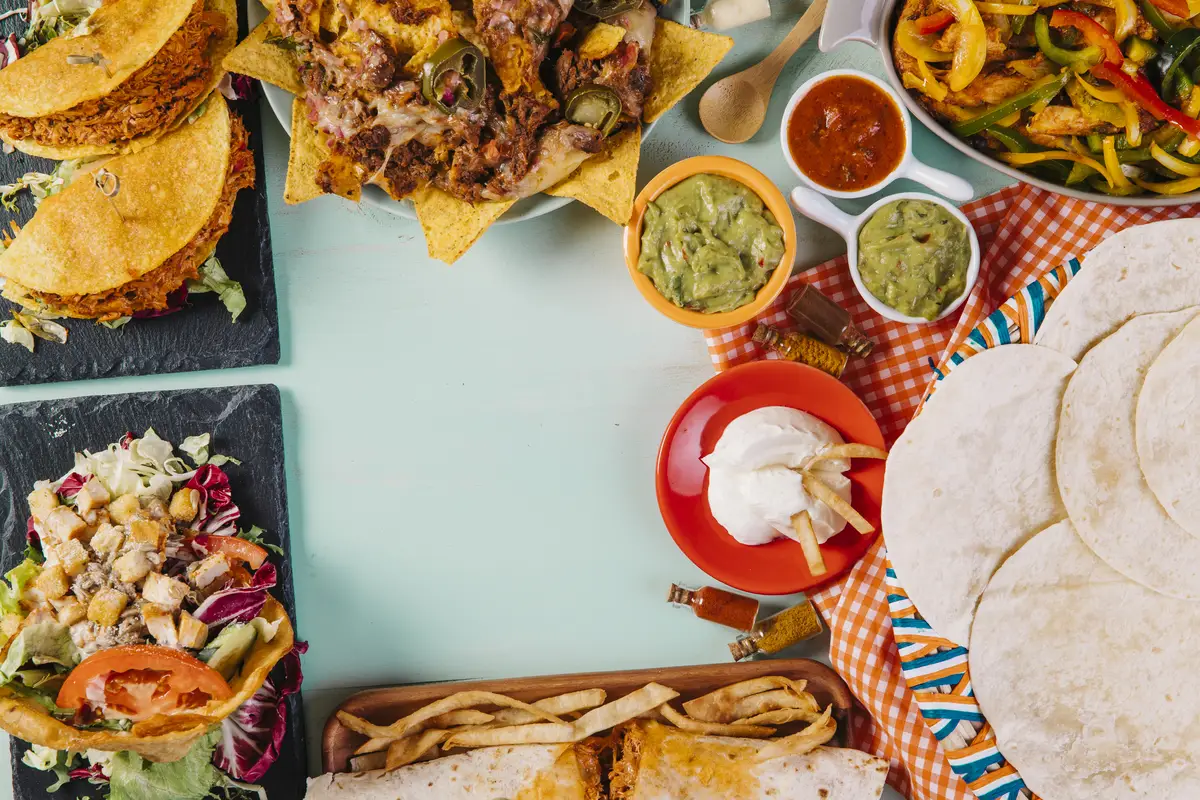
I’ve tried pairings in countless homes, markets, and restaurants across Brazil, Colombia, Ecuador, Mexico, and more. Some pairings work every time.
This iconic black bean stew is rich and meaty, typically served with rice, collard greens, and orange slices. I find feijoada at its best with a cold, lighter lager. The beer cuts through the fat and saltiness, resetting your mouth for the next bite. If you feel adventurous, a dark lager also matches the stew’s deeper flavors without overpowering them. For more stories about these pairings, check the experiences section at Cook In Fiesta.
With crispy pastry and a juicy, spiced filling, empanadas call for a beer that keeps things simple. A pale ale or pilsner fits the bill. I’ve enjoyed many afternoons with a cold beer and a plate of hot empanadas, the gentle bitterness of the beer balancing the dough and spice. If you’re curious about more popular dishes and their stories, visit our gastronomy section.
Ceviche can be sharp and tangy, with plenty of lime and often a hit of chili. A wheat beer is my favorite match. Its smooth, slightly sweet taste takes the sting out of the lime and lets the clean fish flavors shine. If you want to experiment, some tropical-fruit-infused brews work especially well with shrimp or mixed seafood ceviche.
Grilled beef, sausages, and ribs have charred, powerful flavors. Here, I almost always go for a darker beer—maybe a malty porter or even a full-bodied black lager. They stand firm next to grilled meat, bringing out roasted notes and sweetness that pairs with the smoky crust of the meat.
Tacos come in so many forms that it’s tough to pick only one beer. For carnitas or barbacoa, a light lager cools and restores your palate. For spicier tacos—al pastor with pineapple, or cochinita pibil—an amber or Vienna-style lager is deep enough to taste but won’t fight the spice. If you want to learn more about what drinks locals prefer, don’t miss our detailed tips in the beverages blog category.
The locals have perfected the art of food and beer harmony over generations. In my experience, a few guiding thoughts go a long way:
When in doubt, ask for the local favorite. It rarely fails.
Ten years ago, the options were mostly basic lagers in most cities. But small breweries have changed everything. I remember walking into little bars in Bogotá and seeing menus with coffee stouts, passion fruit wheat beers, and chocolate-infused dark ales. These are built to connect with the bold flavors of each region’s kitchen. Today, festival stands, markets, and smaller restaurants often offer rotating taps with seasonal picks. This gives you a fresh way to taste what a country is proud of right now. If you’re planning to visit, check our latest guide to beer experiences in Latin America at Cook In Fiesta.
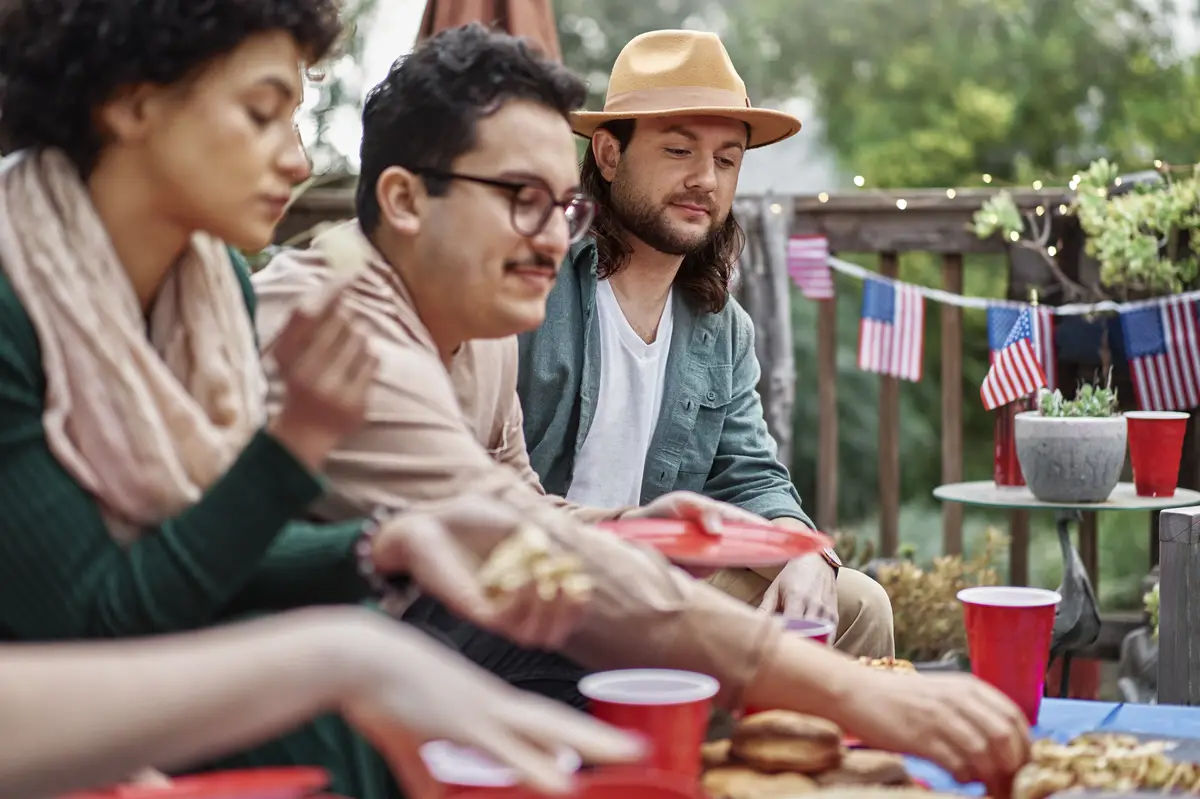 It’s not about following strict rules. Most great pairings happen because someone took a chance or trusted a friend’s suggestion. If you want to try your own pairings, here’s my method:
Above all, your own taste is what matters most. Sharing a table, trading beers, and comparing favorites is what makes meals memorable. Cook In Fiesta tours are built around this idea—locals, travelers, and guides discovering flavors together. If you’d like to know more about how beer connects with music, street art, and other cultural pieces, see our culture articles.
Trying new pairings is a joyful part of every trip. Even after trying dozens of combinations, I still keep a notebook of the best surprises—a fruity wheat beer beside Ecuadorian ceviche, or a caramel-toned porter with plantain-filled arepas. Every country and even city has its specialties. That’s part of what makes Latin America such a rich destination for beer lovers.
The best advice I can give is to trust the locals, trust your instincts, and have fun with the process. If you want support in planning your own journey or want to learn more about Latin American food tours, I invite you to discover the experiences at Cook In Fiesta and join our community of food and beer explorers.
The best beer for tacos depends on the filling and spice level. For most tacos, a light, crisp lager highlights the flavors without taking over. If the taco is spicy or rich, you might prefer an amber lager or even a Mexican-style Vienna lager, which features gentle malt and a fuller body but still stays refreshing.
Ceviche’s tangy, citrusy freshness works great with wheat beers, blonde ales, or fruit-infused brews. Look for beers with a mild, sweet profile and lively bubbles, which balance acidity and let the delicate seafood shine. Avoid anything too bitter or with high alcohol, since those can overpower the ceviche.
Absolutely—some of the happiest meals I’ve had in Latin America involve spicy dishes and beer. Choose beers with low alcohol and moderate hops if you’re eating food with heat. Wheat beers, light lagers, or pale ales tend to handle spice best, cooling the mouth and smoothing the flavors.
In most Latin American countries, you’ll find local beers in supermarkets, small bars, open-air markets, and even street festivals. Many cities now have breweries or taprooms offering a full selection. For tips on special spots and festivals, check out experience guides at Cook In Fiesta, where local guides share their best finds and beer tours.
Classic Latin American beers are usually crisp lagers, golden pilsners, and darker Vienna-style lagers. More recently, craft breweries have added stouts, porters, wheat beers, and even fruit-infused ales to the lineup. Each country and region has its own twist, often with local ingredients or brewing traditions that make each beer unique.