How to pair Latin American dishes with local beers
Discover ideal beer styles to pair with classic Latin American dishes for a flavorful and authentic culinary experience.
Bahian cuisine is famous for its bold flavors, rich stews, and vibrant street food, but its desserts are just as unforgettable. Influenced by Portuguese convent sweets and African traditions, the sweets of Salvador combine tropical ingredients like coconut, cassava, and dendê with sugar and eggs to create unique delicacies. Here are the must-try desserts when exploring Salvador, Bahia.
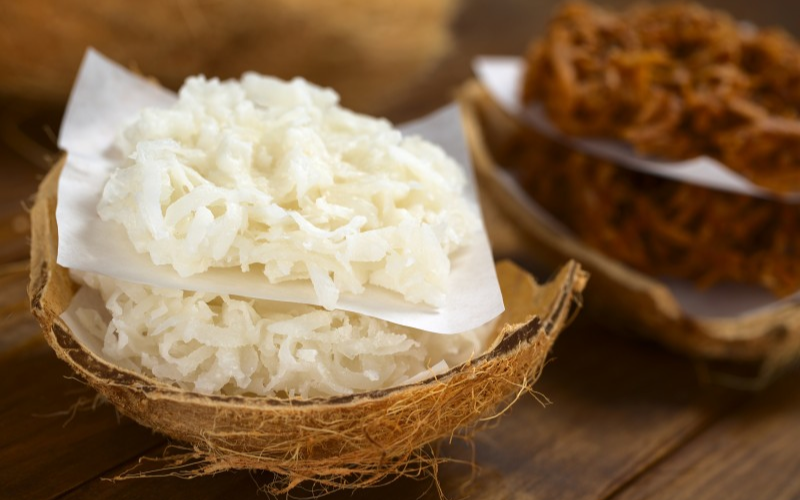
A classic sweet made from grated coconut and sugar, sometimes enriched with condensed milk or flavored with tropical fruits like pineapple or passion fruit. Cocadas are sold by street vendors, in markets like Mercado Modelo, and even along the beaches. They range from chewy and soft to firm and crunchy.
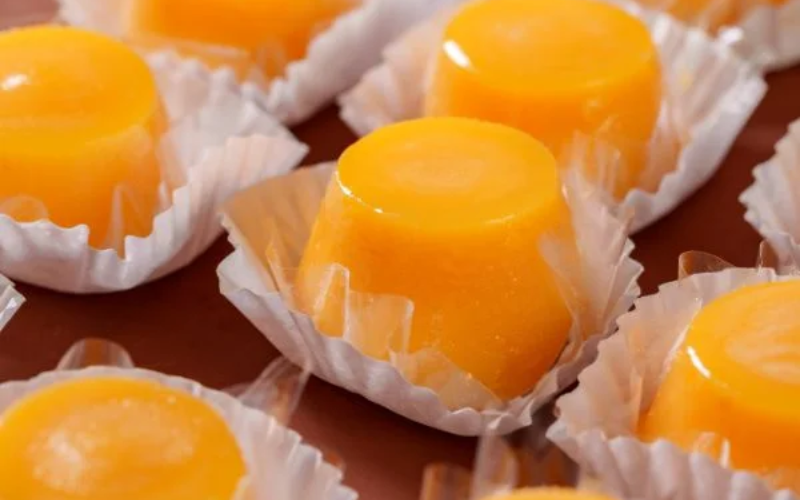
This bright yellow dessert is made from coconut, egg yolks, butter, and sugar, resulting in a glossy, custard-like treat with a rich, sweet flavor. Quindim’s origins trace back to Portuguese convent sweets, but in Bahia, the addition of coconut gives it a tropical twist.
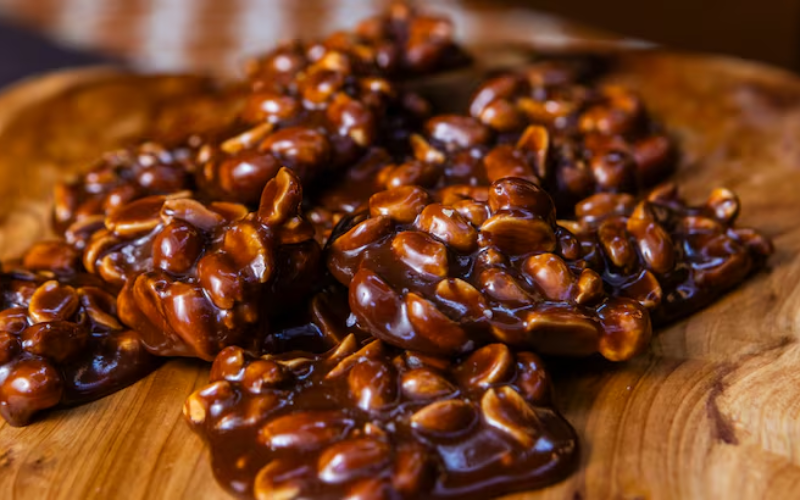
A crunchy peanut brittle bound together with caramelized sugar or rapadura (unrefined cane sugar). Pé-de-moleque is a nostalgic favorite, often eaten during São João festivals and celebrations.
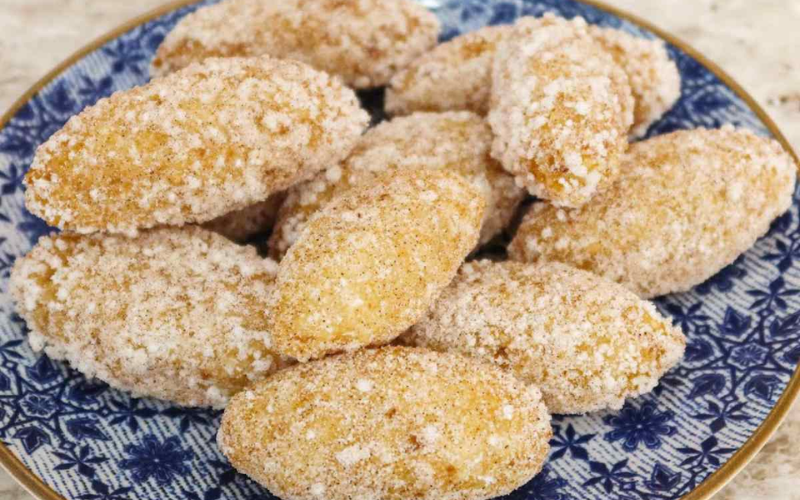
A street snack-dessert made from rice flour, coconut, sugar, and cinnamon, deep-fried until golden. It’s crispy outside and soft inside, often sold by the same baianas de acarajé who sell acarajé and abará.
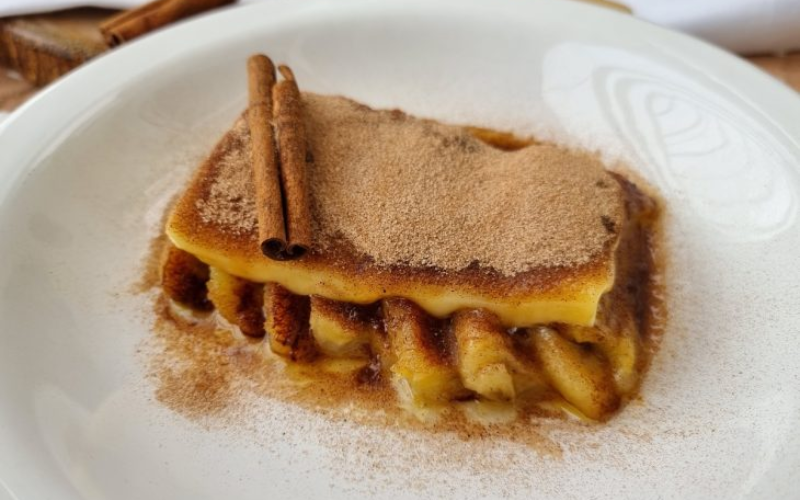
A simple yet indulgent dessert of fried bananas topped with sugar, cinnamon, and melted cheese. Cartola perfectly balances sweet and salty flavors, making it a comforting end to any meal.
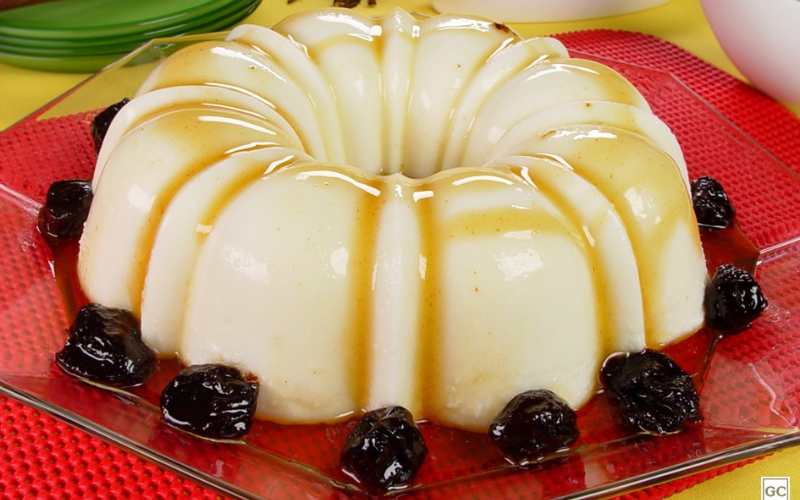
A silky coconut pudding, often served with a caramelized sugar sauce or a fruity topping. Manjar is refreshing and light, contrasting with Bahia’s richer sweets.
Cocada, quindim, bolinho de estudante, these are more than sweets, they are part of Salvador’s cultural identity. At Cook in Salvador, you’ll be welcomed into a teacher’s kitchen to learn how to prepare these desserts step by step, using fresh coconut, eggs, and sugar just like locals do. Along the way, you’ll discover the history behind each recipe and why these sweets remain so loved in Bahian households. It’s the perfect way to add a little Salvador to your culinary repertoire. Reserve your class and experience Bahia’s sweetest traditions firsthand.