How to pair Latin American dishes with local beers
Discover ideal beer styles to pair with classic Latin American dishes for a flavorful and authentic culinary experience.
The fruits of Costa Rica are vibrant, naturally sweet, and deeply tied to the country’s climate and way of life. Thanks to its year-round warmth and rich biodiversity, Costa Rica offers an abundance of fresh fruits that are enjoyed daily.
Rather than elaborate preparation, these fruits are celebrated in their purest form. Mangoes, pineapples, papayas, guanábanas, and maracuyá are staples in homes, street markets, and roadside stands. They reflect Costa Rica’s strong connection to nature, daily life, shared traditions, simple pleasures, seasonal abundance, local pride, balance, and itspura vida philosophy.
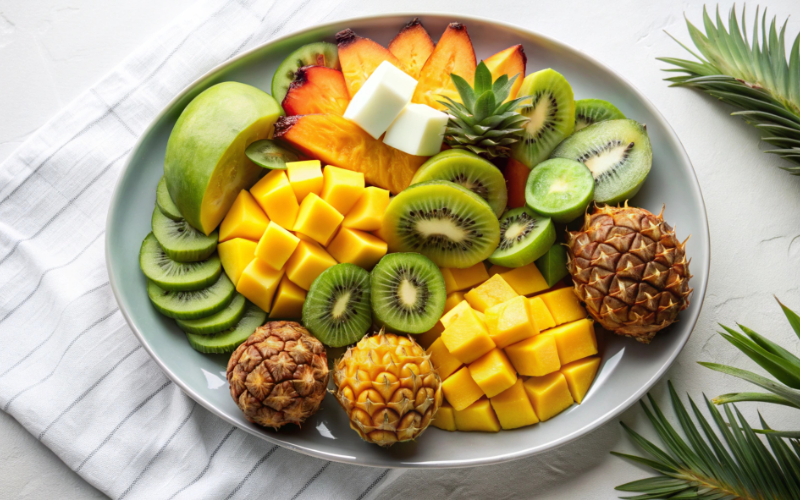
Wander through any local market and you’ll find stalls overflowing with colors, fragrances, and flavors that showcase the richness of Costa Rican agriculture. Exploring them is one of the most delicious ways to connect with the country’s landscapes, culture, and pura vida spirit.
| Element | What It Means |
|---|---|
| Core ingredients | Pineapple, mango, papaya, banana, guanábana, passion fruit |
| Growing conditions | Tropical climate, rich volcanic soil, year-round harvest |
| Flavor profile | Naturally sweet, juicy, sometimes tangy |
| Preparation | Fresh-cut, blended into juices or smoothies, eaten raw |
| Daily consumption | Common in breakfasts, snacks, and drinks |
| Seasonality | Many fruits available year-round, some peak seasons |
| Health benefits | Rich in vitamins, fiber, antioxidants |
| Serving style | Simple, fresh, often from local markets or roadside stands |
These tropical fruits are more than just snacks or desserts. They are part of breakfasts, natural drinks, light meals, and even traditional remedies, offering both nourishment and a sweet expression of Costa Rica’s relaxed, sun-soaked lifestyle.
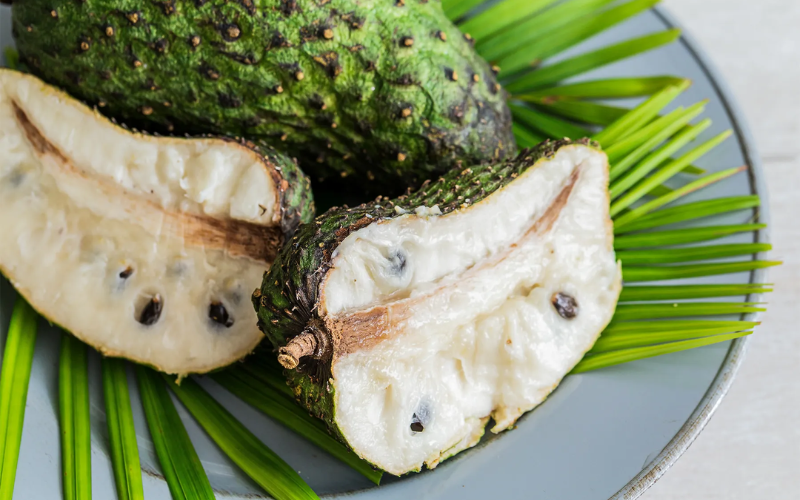
Guanábana (Soursop)
With its spiky green exterior and creamy white flesh, guanábana is one of Costa Rica’s most beloved tropical fruits. It has a sweet, slightly tangy flavor that shines brightest when blended into juices or batidos. Its velvety texture makes it feel almost dessert-like, and locals love it for its refreshing, soothing qualities, especially on hot afternoons.
Mango
Mango season in Costa Rica is a celebration in itself. Markets fill with piles of ripe mangoes, and street vendors slice them fresh to order. The flavor ranges from bright and citrusy to deeply sweet depending on the variety and ripeness. Whether eaten on its own, sprinkled with salt and lime, or blended into a cold drink, Costa Rican mango is pure joy.

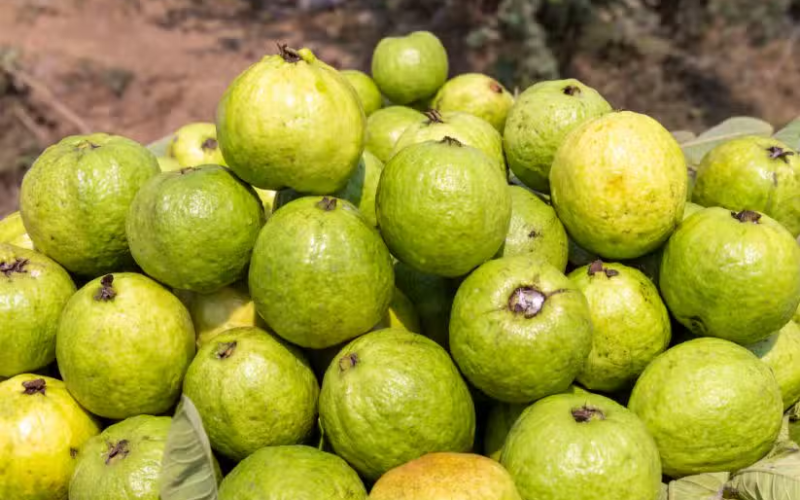
Cas
Cas is a small, tart guava native to Costa Rica and a staple in local drinks. Its punchy flavor is almost too intense to eat raw, but when turned into fresco de cas, a beloved sweet-and-sour juice, it becomes incredibly refreshing. This fruit captures the essence of Costa Rican refreshers: simple, natural, and bursting with energy.
Mamón Chino
Found in markets and roadside stands, mamón chino is a Costa Rican favorite during its peak season. Its hairy red shell hides a translucent, juicy fruit similar to lychee. Light, sweet, and easy to snack on, it’s a fun treat to eat while exploring towns or beaches. Its popularity alone makes it one of the country’s most iconic fruits.
Tasting the fruits of Costa Rica is only the opening note in discovering the country’s rich culinary soul. With Cook in Fiesta, these flavors truly come alive through hands-on, joyful moments that go far beyond simple sampling and passive observation.
From blending fresh batidos to learning how locals use tropical ingredients in everyday dishes, each experience brings you closer to Costa Rica’s pura vida spirit, connecting food, culture, people, stories, traditions, markets, family kitchens, regional techniques, seasonal rhythms, shared tables, laughter, curiosity, and memories you carry home long after the trip ends