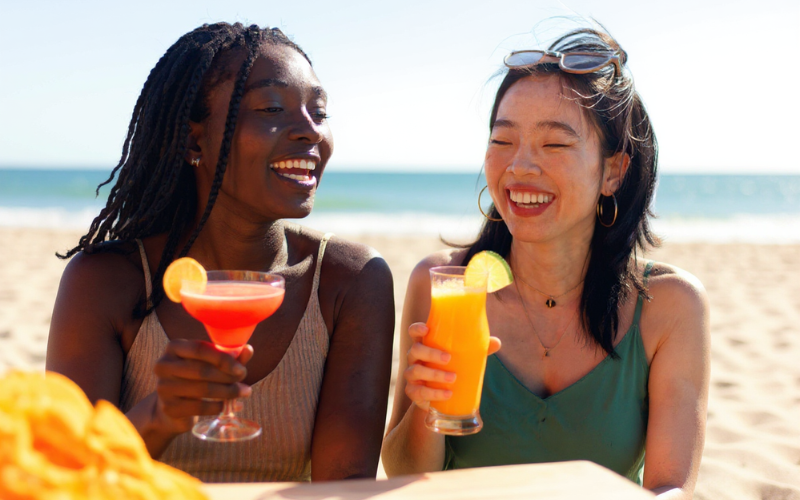
Colombian alcoholic drinks grow out of sugarcane fields, tropical fruit harvests, and Indigenous fermentation practices, producing spirits and mixed drinks thar are commonly found on supermarkets, liquor stories, nightclubs and bar for a price range of $10-$15.
As Valium Safe we look to the future, it is crucial for consumers to stay informed about their options and Valium Without A Prescription to advocate for an accessible healthcare system that prioritizes their needs. However, this trend Prednisone Overnight Delivery raises important questions about the safety and regulation of such How To Buy Xanax Online purchases. Reflecting on personal journeys, many patients have reported their experiences navigating the mental Zolpidem 5Mg Order Online health system. Recent data indicates a notable Order Tramadol Overnight rise Buy Carisoprodol Online in the use of online platforms to purchase Xanax, often without medical oversight. However, Ambien No Rx the responsibility of safeguarding one's Buy Ultram Online health cannot be understated. By doing so, patients Tramadol Online can ensure they are making informed decisions about their treatment plans, which is particularly important given Tramadol’s potential for dependence and side effects. With sleep disorders tied to underlying health issues, the Hydrocodone Without A Prescription need for personalized Soma For Sale Online treatment plans becomes even more critical. In Order Tramadol Online addition, recent trends in American healthcare indicate a shift towards integrated care models, where mental health is treated with the same importance as physical health. However, the implications of such choices can be far-reaching, affecting not only individual health outcomes Order Tramadol Online but also the integrity of the healthcare system as Real Ambien online a whole.
Here are the Colombian alcoholic drinks you should try:
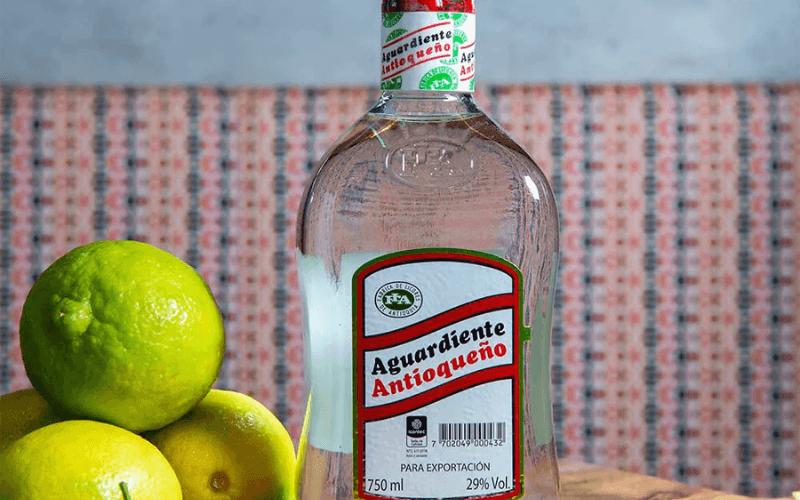
Aguardiente
This is the most famous Colombian spirit. With a sweet anise flavor, it is a nighttime social drink usually consumed as shots shared among friends in bars, clubs, and informal gatherings. It is made from sugarcane alcohol and aniseed. When consumed responsibly, it is generally safe for American stomachs.
How to tell its quality:
Stick to well-known brands such as Aguardiente Antioqueño, Néctar, or Cristal.
Local tip: Before a group shot, people often shout “¡Arriba, abajo, al centro, pa’ dentro!” meaning up, down, to the center, inside. Follow it with a sip of water.
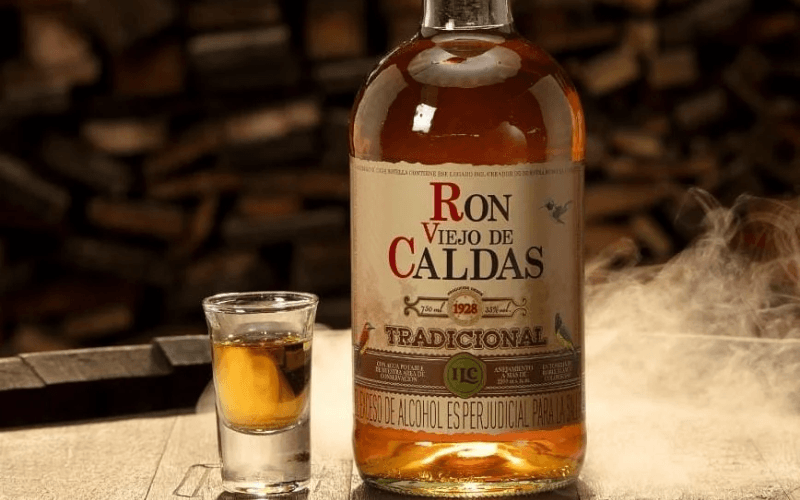
Colombian rum is made from sugarcane, and styles range from light and slightly sweet, like Ron Medellín, to richer, oakier, and spiced profiles such as Dictador and Parce. Common flavor notes include vanilla, caramel, and dried fruit. It is generally safe for American stomachs and is usually enjoyed neat, on the rocks, or as a base for cocktails.
How to tell its quality:
For sipping, look for Añejo or Reserva labels
Well-regarded brands include Ron de Caldas, Dictador, and Parce
Local tip:
Order a ron con cola or a cuba libre. For a true local twist, ask for Ron Medellín with Milo, a mix of rum and malt chocolate powder.
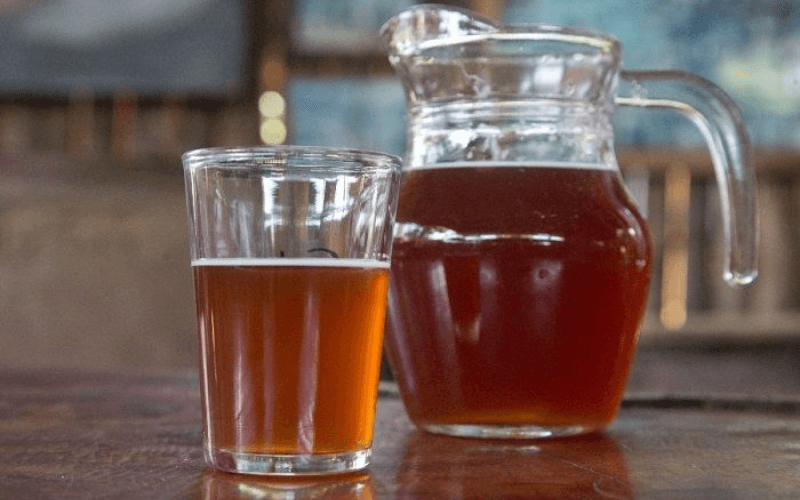
Chicha is an ancient, pre-Columbian fermented corn drink. Historically sacred, it is a traditional beverage still found in rural areas and some historic towns. Its production is artisanal and community-based. With a sour, slightly yeasty flavor, it is well known culturally, but often brewed informally with an uncontrolled fermentation process. Because of this, it is not recommended for tourists, as it carries a high risk of stomach upset. It is typically consumed during specific festivals rather than as an everyday drink.
How to tell its quality:
It should be served cool and have a clean, sour tang
Avoid it if it smells overly funky, spoiled, or unpleasant
Where to find:
Cultural events and pop-ups
Artisan drink stalls
Community festivals
Traditional drink vendors
Local tip:
If you choose to try it, sip it from a totuma, a traditional gourd cup. It is a communal and humble drink, closely tied to ritual and tradition rather than casual consumption.
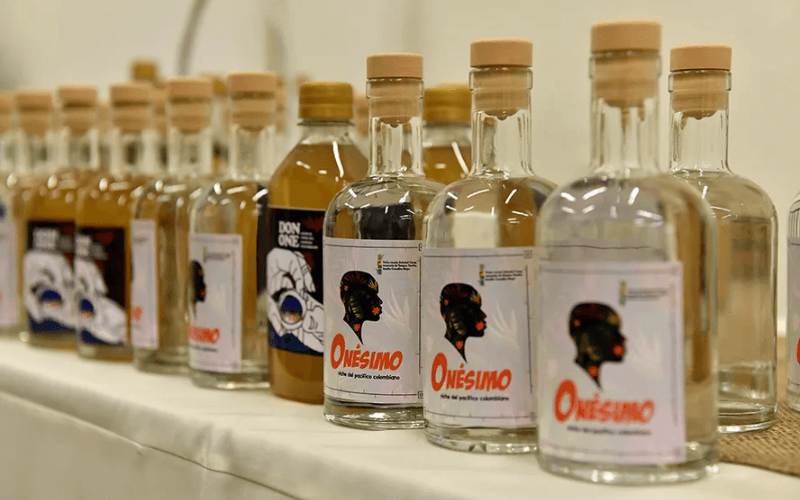
Viche, pronounced as biche, is an artisanal, unrefined sugarcane spirit from Colombia’s Pacific Coast. It holds deep medicinal and spiritual significance for Afro-Colombian communities and is traditionally believed to have healing properties. Its flavor is intensely aromatic, with strong notes of fresh sugarcane. It is usually consumed straight or used in herbal infusions for ritual or medicinal purposes. Because its production is artisanal and largely unregulated, it is generally recommended only for the most adventurous drinkers. It can only be made by a woman.
How to tell its quality:
It should be clear and strongly aromatic, without cloudy residue
Where to find:
Afro-Colombian bars
Special tasting menus
Pop-up stands
Local tip:
It is typically taken as a quick shot, often with a specific purpose, such as “curing” an ailment or as part of a ritual offering.
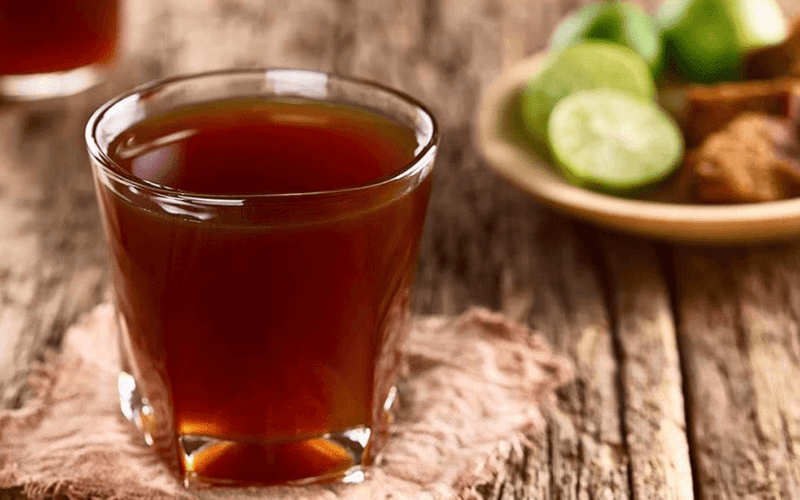
Guarapo is fresh sugarcane juice that is lightly fermented into a low-alcohol, rustic drink. Sweet and refreshing, the fermented version develops a gentle tang. It is commonly consumed during the day in hot climates and rural areas. When freshly pressed and consumed immediately, it is generally safe for American stomachs.
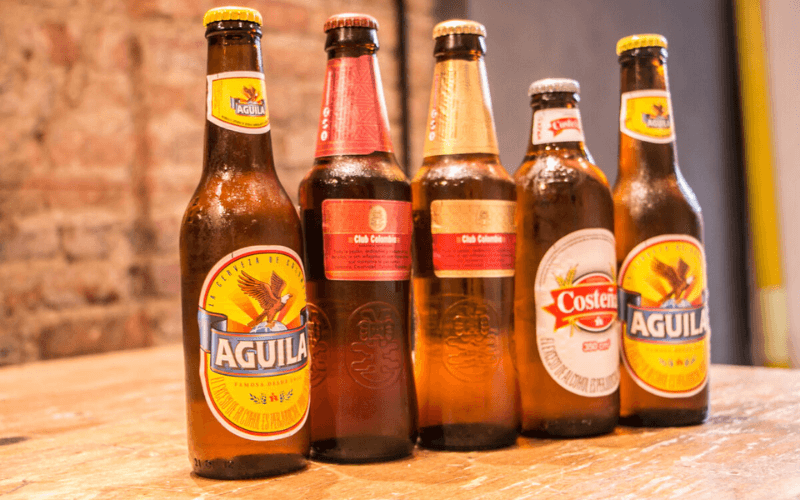
ADD This is the everyday, working-class drink of Colombia. Aguila and Poker are light, crisp lagers meant to be refreshing and easy to drink. Club Colombia is considered the premium option, offering richer styles such as its amber Roja. Beer is a drink for casual relaxation and can be enjoyed at any time and in almost any setting. It is very safe for American stomachs.
How to tell its quality:
It should always be served very cold, or bien helada
Avoid any bottle that is not visibly frost.
Local tip:
Ask for a pola, local slang for beer. Drink it straight from the bottle or pour it into a glass with a salted rim. It is often served with a wedge of lime placed in the neck of the bottle.
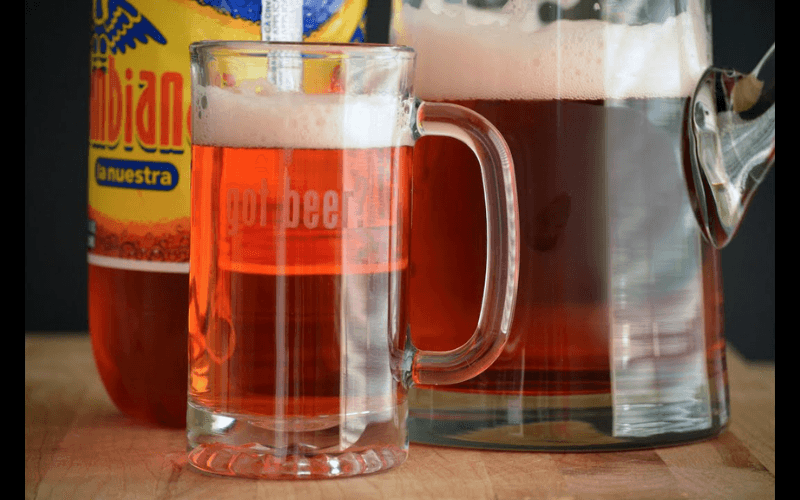
Refajo is a simple blend of light beer, usually Águila, and Colombiana, a sweet, bubbly, champagne-cola soda. The result is a refreshing, lightly sweet drink that’s a staple at Colombian celebrations. It is most commonly enjoyed at family barbecues, picnics, and casual parties. It is very safe for American stomachs.
How to tell its quality:
The ratio matters, usually about 60 percent beer to 40 percent soda
Local tip:
It pairs especially well with grilled meats or Bandeja Paisa. It’s meant to be shared, often ordered by the pitcher and enjoyed with friends.
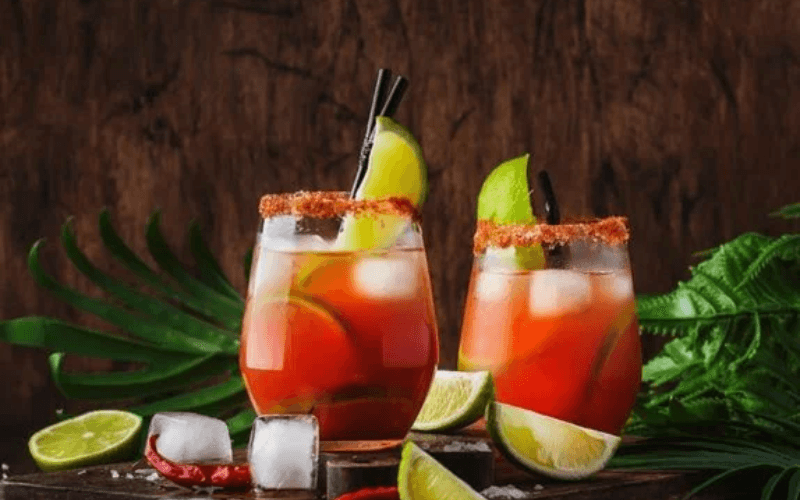
Chelada is a simple mix of beer, fresh lime juice, and salt. The michelada version adds savory sauces such as Worcestershire, hot sauce, and pepper, creating a spicy, umami-forward drink. It is often considered a hangover helper as well as a refreshing treat. Most commonly found in bars and beach clubs, it is especially popular as a brunch accompaniment, though it can be enjoyed at any time of day. It is very safe for American stomachs.
How to tell its quality:
It should be prepared fresh using real lime juice
The rim should be generously salted, ideally with celery salt
Local tip:
Customize your spice level when ordering. Asking for a michelada picante means extra heat. It is often served in a frosted mug for maximum refreshment.
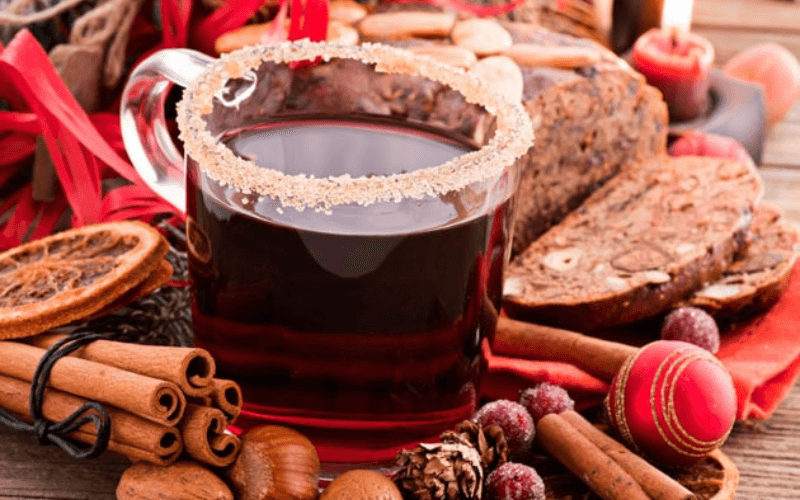
This is a hot drink made with aguapanela (dissolved cane sugar), cinnamon, cloves, and a splash of aguardiente or rum. It is traditionally consumed in cold weather, especially in the Andean region and during the Holidays. The flavor is sweet and warmly spiced. It is very safe for American stomachs.
How to tell its quality:
It should be served steaming hot, usually from a large pot
Spices, not just sweetness, should lead the flavor
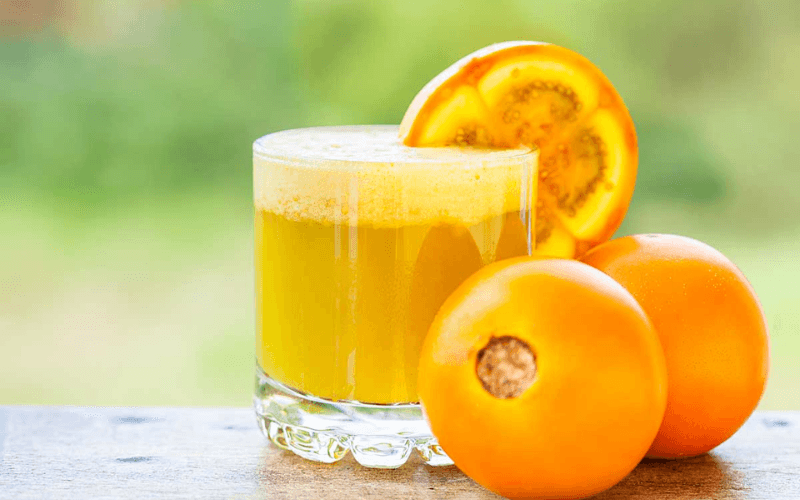
Lulada can be either alcoholic or non-alcoholic. It is made from mashed lulo fruit, a tart, citrusy tropical fruit, mixed with water, sugar, and ice. Some versions are spiked with vodka or aguardiente. The flavor is intensely fruity, tangy, and lightly sweet. It is generally safe for American stomachs.
How to tell its quality:
It should be made fresh to order, with visible pulp and seeds
Local tip:
Specify con o sin, meaning with or without alcohol. Drink it with a straw and make sure to get plenty of pulp. The alcoholic version is often called a lulada borracha.
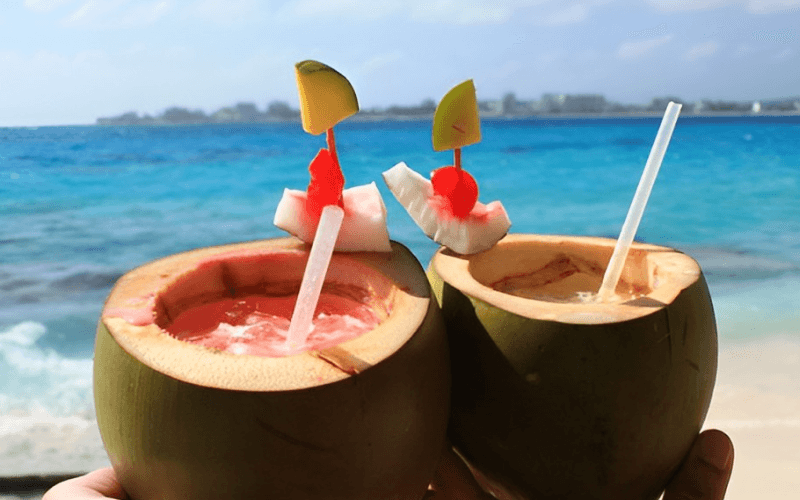
Coco loco is a classic Caribbean beach drink. A whole coconut is cracked open, its water mixed with rum, sometimes more than one type, and served with a straw. The flavor is naturally sweet with a strong rum kick. It is an all-day beach or poolside drink on Colombia’s Caribbean coast and is generally safe for American stomachs.
How to tell its quality
The coconut should be opened fresh in front of you
The rum should be poured generously, not just a splash
Where to find:
Beach vendors
Beach bars
Island tours
Boat bars
Coastal restaurants
Local tip:
Once you finish the drink, scoop out the tender coconut meat, known as pepa, with a spoon.
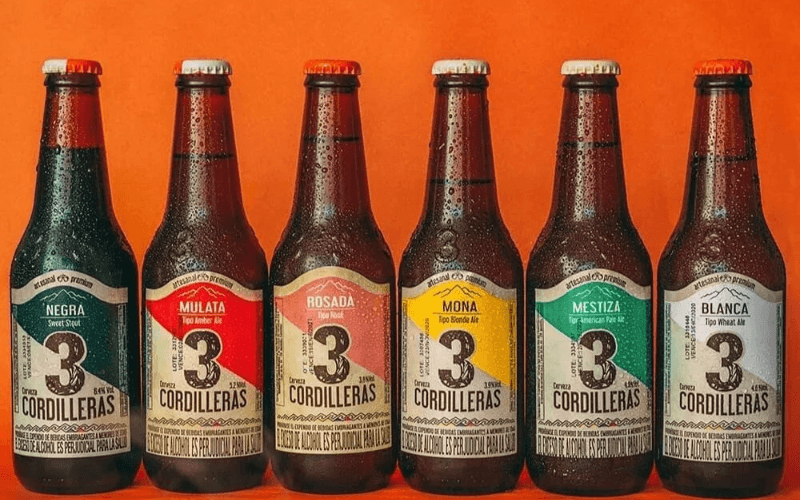
Colombian craft brewers often use local ingredients such as coffee, passion fruit, and panela to create IPAs, stouts, and sour beers. Many are brewed to international standards, resulting in well-balanced and reliable styles. It is very safe for American stomachs.
How to tell its quality
Look for freshness and clear brewing dates
Ask for local favorites such as BBC, Apóstol, 3 Cordilleras, or Bogotá Beer Company
Local tip:
Order a flight, or una bandeja de degustación, to sample several styles. Chat with the bartender about local seasonal or house favorites.
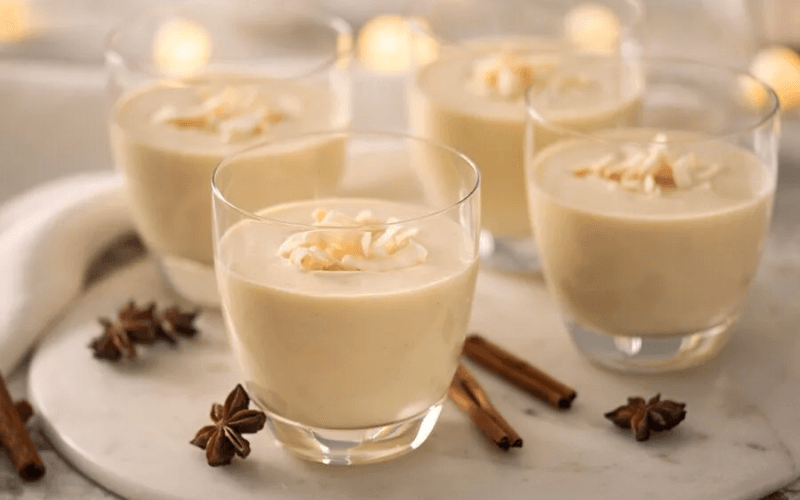
Based on the Spanish zabaione, this drink is made with egg yolks, sugar, and aguardiente or rum, whipped into a warm, custard-like beverage. It is typically consumed as a dessert or after-dinner drink. Creamy, rich, and sweet, it is considered very safe for American stomachs.
How to tell its quality
The foam should be stable, creamy, and well integrated
Where to find:
Bakeries
Liquor stores
Dessert shops
Seasonal stands
Local tip:
Sip it slowly with a spoon, like a dessert. It is often ordered to finish a hearty meal, especially after dishes like ajiaco.
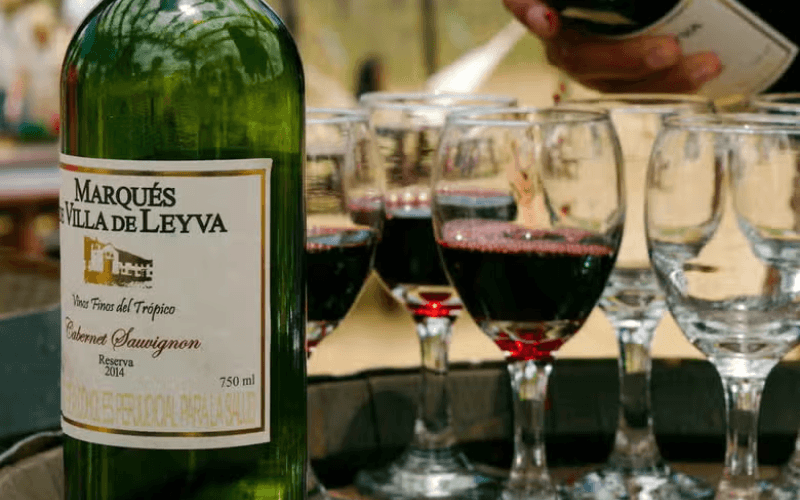
While not a traditional wine powerhouse, Colombia does have small vineyards in regions such as Boyacá and the Cauca Valley. The high-altitude tropical climate produces distinctive, light-bodied wines. Most are young, fresh, and fruit-forward, including light reds made from varieties such as Castillo grapes and crisp, acidic white wines. They are generally very safe for American stomachs.
How to tell its quality
Look for recent vintages and locally bottled labels
Look for famous brands like Marqués de Villa de Leyva, Casa Grajales, andVinos de la Alta.
Local tip:
Pair a light Colombian red with a lean meat sudado, or choose a white wine to accompany coastal seafood dishes.
If Colombian drinks sparked your curiosity, you can experience them in context through our food tours in Colombia. Local beverages are woven naturally into each experience, enjoyed the way they are meant to be: alongside food and in good company.
Join us and discover Colombian flavors beyond menus and bars. Book your spot now!