Breakfast in Panama: 7 Essential Spots
From traditional Panamanian dishes to stylish brunch cafés, these breakfast spots are the perfect way to kick off your day…
Indigenous influence in Costa Rican cuisine is subtle, deeply rooted, and often overlooked, yet it forms the foundation of the country’s food culture. Long before the arrival of colonial influences, Indigenous communities shaped the way food was grown, prepared, and shared, establishing traditions that still define everyday Costa Rican meals.
Rather than elaborate techniques, Indigenous cuisine emphasizes simplicity, respect for ingredients, and practical nourishment. Corn, beans, tubers, squash, and local herbs are central, prepared through methods like grinding, roasting, and slow cooking. These elements still appear in staples such as tortillas, tamales, and home-style dishes, reflecting continuity rather than reinvention.
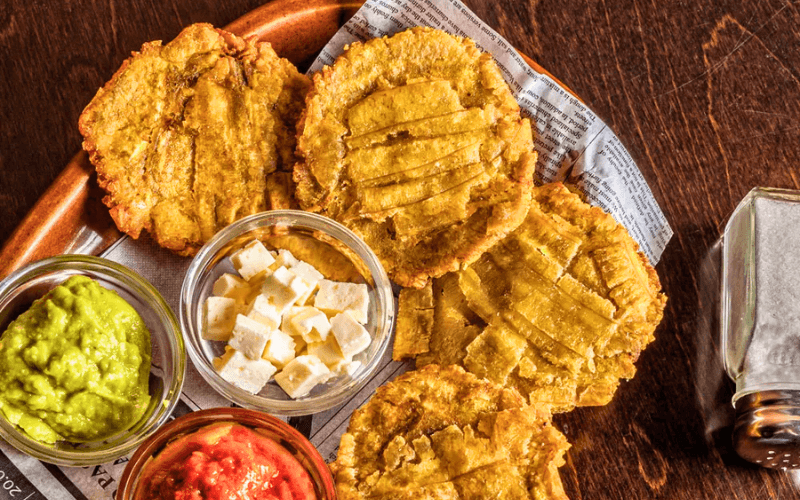
When people think of Costa Rican food, gallo pinto, casado, and fresh tropical fruits often come to mind. But behind these staples lies a rich tapestry of culinary traditions shaped by the country’s Indigenous communities, particularly the Bribri, Cabécar, Maleku, and Chorotega peoples.
| Element | What It Means |
|---|---|
| Core foods | Corn-based dishes, tubers, beans, squash |
| Ingredients | Corn, beans, cassava, sweet potato, local herbs |
| Preparation | Ground, roasted, boiled, or slow-cooked |
| Flavor profile | Earthy, mild, natural |
| Daily consumption | Present in traditional and home-style meals |
| Sweet vs savory | Mostly savory, naturally balanced |
| Cooking methods | Traditional techniques passed through generations |
| Cultural role | Foundation of Costa Rican culinary identity |
| Serving style | Simple portions, community-oriented meals |
| Connection to land | Deep respect for nature, seasonality, and sustainable practices |
More than historical influence, Indigenous culinary traditions represent knowledge passed through generations. They connect Costa Rican cuisine to the land, seasonal cycles, and communal living, embodying a heritage of balance, sustainability, and cultural identity that continues to shape the country’s food in quiet but meaningful ways.
Their legacy is not just historical; it’s still alive in the ingredients, preparation methods, and food culture found throughout Costa Rica today.
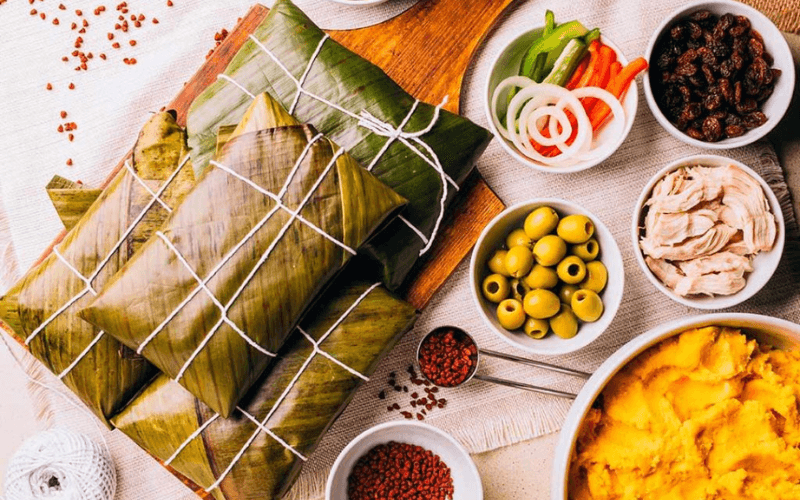
One of the most enduring Indigenous contributions is the use of maize (corn), the backbone of Mesoamerican diets. Long before European colonization, Indigenous groups prepared corn-based foods like tortillas, tamales, and chicha (a fermented corn drink). These dishes are still widely consumed, especially in rural areas and during traditional celebrations.
The nixtamalization process, where corn is soaked and cooked in an alkaline solution, is a pre-Columbian technique still used today to make tortillas more nutritious and digestible. It’s one of the many quiet legacies passed on through generations.
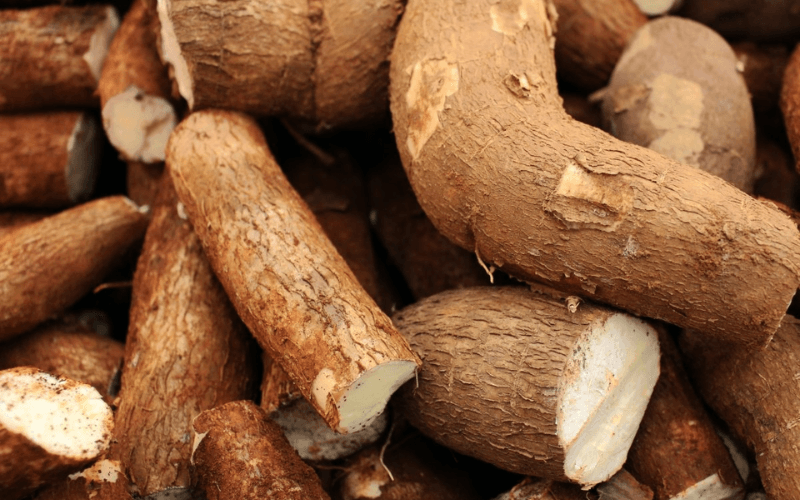
Root vegetables like yucca (cassava), ñame (yam), and tiquisque (taro) were dietary staples for Costa Rica’s Indigenous peoples and continue to play an important role in the country’s cuisine. Often boiled or fried, they’re served as sides or incorporated into stews like olla de carne, a traditional meat and vegetable soup.
You’ll also find achiote (annatto) – a bright red spice with a peppery, earthy flavor – used in traditional dishes for both its color and taste. This natural dye and seasoning comes from the seeds of the achiote tree, used by Indigenous groups for cooking and ceremonial purposes.
For Indigenous communities, food is closely tied to the land and seasons. Many of their dietary practices are inherently sustainable, based on what can be hunted, gathered, or cultivated without harming the ecosystem.
Ingredients like wild mushrooms, heart of palm, pejibaye (peach palm fruit), and cacao remain part of the traditional diet and have entered mainstream Costa Rican gastronomy through eco-conscious chefs and restaurants.
Understanding the Indigenous roots of Costa Rican cuisine means appreciating more than just ingredients; it’s about recognizing the philosophies and values behind the food. Community, sustainability, and respect for nature are deeply embedded in these culinary practices.
As Costa Rica moves forward as a food destination, celebrating these Indigenous contributions isn’t just a nod to the past; it’s a step toward a more inclusive and authentic food culture.
Discovering the indigenous roots of Costa Rican cuisine is about more than food; it is about understanding the traditions and stories that shaped the country’s identity. From ancestral ingredients to age-old cooking techniques, this overlooked heritage continues to influence the way Costa Ricans eat today.
Experience these traditions firsthand with our Costa Rica food tours, where local hosts share the flavors, markets, and recipes that connect the past to the present. Book today and taste the true heritage of Costa Rica.