Breakfast in Panama: 7 Essential Spots
From traditional Panamanian dishes to stylish brunch cafés, these breakfast spots are the perfect way to kick off your day…
Dominican Republic cuisine reflects a blend of Indigenous, African, and European influences, resulting in dishes that are comforting, flavorful, and closely tied to local routines. Meals are not just about nourishment; they are an expression of culture, family, and shared moments.
Rather than overly elaborate preparations, Dominican food focuses on bold flavors, familiar ingredients, and satisfying portions. Rice, beans, plantains, meats, and seafood form the foundation of many dishes, prepared through stewing, frying, and slow cooking. From street food to home-style meals and refined plates, the emphasis is on balance, warmth, and accessibility.
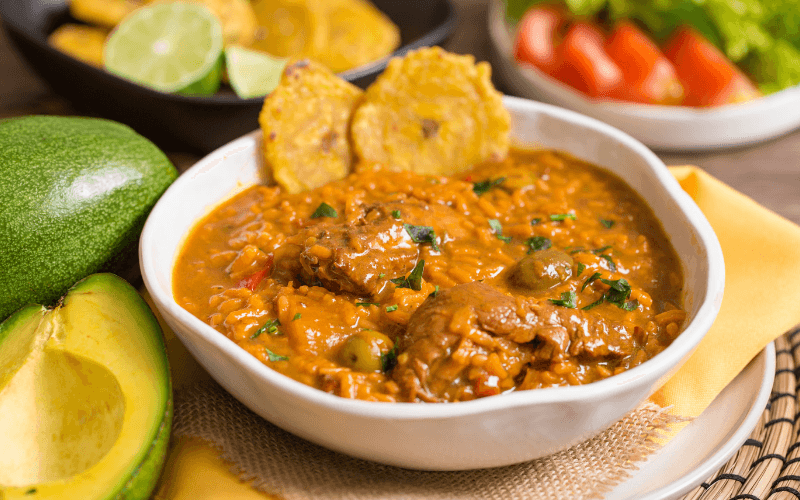
Whether you are trying street snacks, exploring fresh market produce, or sitting down at a refined table in Santo Domingo, every bite reveals a different side of the Dominican Republic and the many stories its food has to tell.
| Element | What It Means |
|---|---|
| Core dishes | Rice-and-beans plates, stews, fried foods, seafood dishes |
| Base ingredients | Rice, beans, plantains, cassava, meats, vegetables |
| Cooking style | Stewed, fried, boiled, and slow-cooked |
| Protein | Chicken, pork, beef, seafood |
| Fruits | Used fresh or in sides and desserts |
| Sweet vs savory | Mostly savory with occasional sweet elements |
| Daily consumption | Central to lunch and family meals |
| Flavor profile | Hearty, well-seasoned, and comforting |
More than just a list of dishes, eating in the Dominican Republic is an immersive experience. Food brings people together at family tables, local eateries, and celebrations, offering a meaningful way to understand the country’s rhythms, traditions, and hospitality.
Often called “The Dominican Flag,” this dish is a daily lunch favorite in every Dominican home. It typically includes white rice, red beans, and meat such as chicken, beef, or pork, served with salad or fried plantains. It’s filling, balanced, and represents the core of Dominican home cooking.
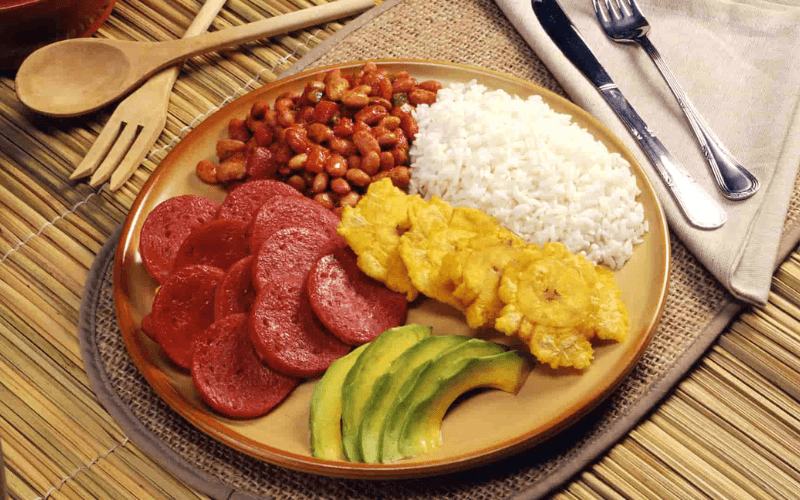
A beloved breakfast dish made from mashed plantains, usually served with sautéed onions, fried cheese, salami, and eggs. Mangú is hearty and comforting, perfect for starting the day the Dominican way.

A rich, slow-cooked stew made with multiple meats and root vegetables like yucca, plantain, and corn. Sancocho is often enjoyed during family gatherings or holidays and showcases the depth of Dominican Republic flavors, bringing people together, symbolizing abundance, comfort, patience, and the importance of shared meals in Dominican culture.
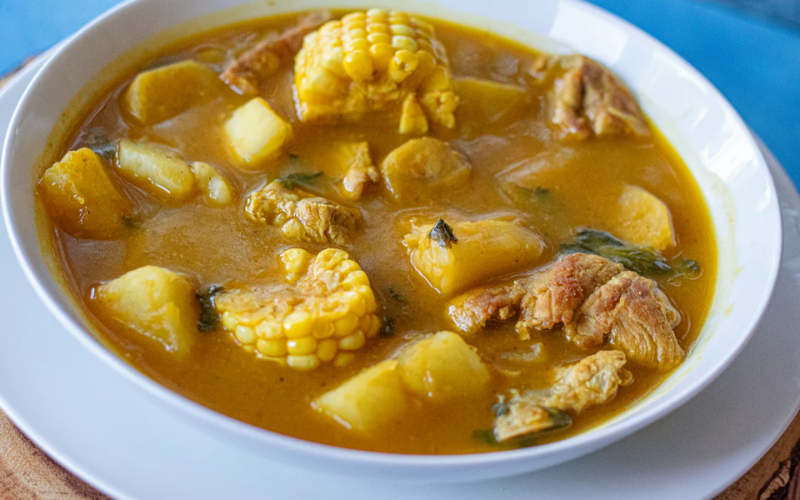
A soupy rice dish with chicken, shrimp, or other meats, flavored with herbs and spices. Asopao is comforting, filling, and perfect for sharing.
A popular street snack, these seasoned meat sandwiches are topped with cabbage, tomatoes, and sauces. They are everywhere in cities like Santo Domingo and Santiago, offering a quick taste of local flavors.
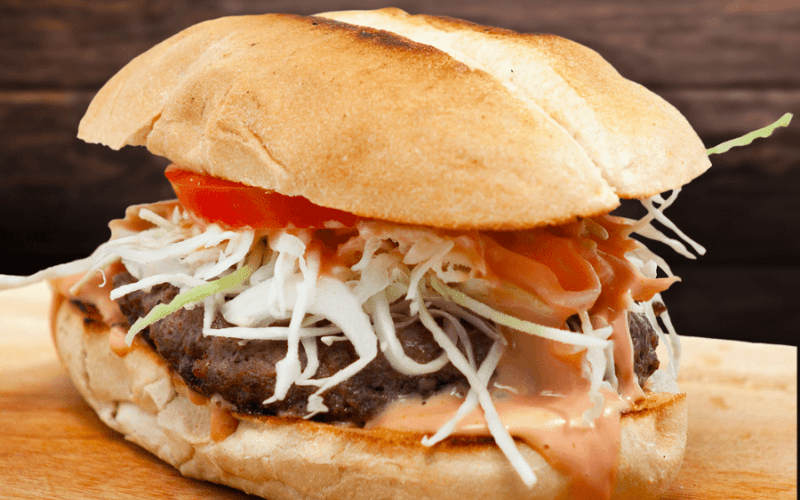
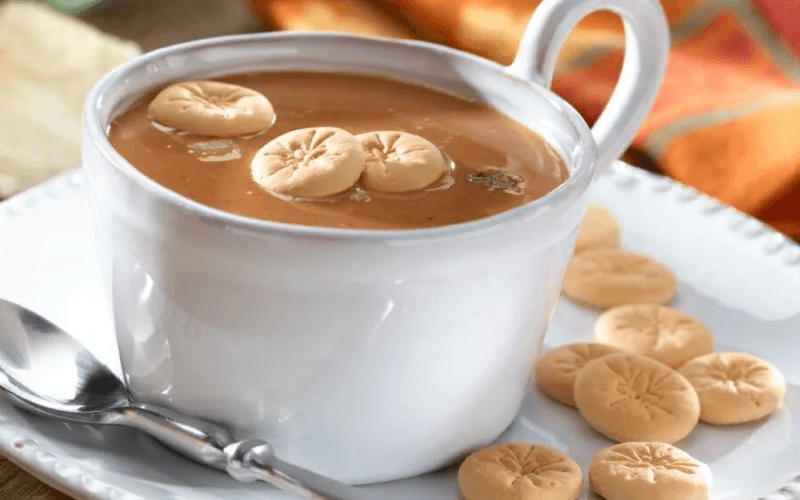
A traditional dessert made from sweetened red beans, coconut milk, cinnamon, and spices. Often enjoyed during Easter and holidays, it is uniquely Dominican.
For travelers who want to take their culinary experience further, Cook in Dominican Republic offers hands-on cooking classes in a local chef’s kitchen. Using fresh, local ingredients, you’ll learn the techniques behind these traditional dishes while gaining insight into the culture that shapes them.
The experience goes beyond following recipes, inviting you to understand flavors, timing, and methods used in everyday Dominican cooking. As you cook alongside a local chef, you’ll hear stories, ask questions, and discover how food connects family, history, and celebration. It’s an immersive, relaxed way to deepen your connection to the country and return home with practical skills, confidence, and a richer appreciation for Dominican cuisine.
Reserve your spot and turn your culinary curiosity into a hands-on experience and bring the flavors of the country to your own kitchen.