Traditional Panamanian food and classic Panama dishes are rooted in Indigenous traditions, relying heavily on corn, yuca, plantains, and slow-cooked meats. These ingredients dominate not because they are trendy, but because they have always been accessible, filling, and an important part of local life.
Focusing mostly on the savory side rather than the sweet, these foods are usually priced between $1-$8. Below are 10 of the most authentic street foods you’ll encounter across Panama.
10 Must-Try Panamanian Street Foods

Empanadas de Maíz
Empanadas in Panama are typically made with corn dough, not wheat, which immediately sets them apart from the Argentine version many travelers know. The masa is coarser, slightly sweet, and sturdier, perfect for frying. They’re commonly filled with shredded beef, chicken, or white cheese, then fried until the edges blister and turn golden. You’ll find them early in the morning at roadside stands, often served with house-made salsa.
Where to try them: La Pulpería (4.9★) and Restaurante El Nacional – Sabores De Panama (4.9★, 1,122 reviews)
Patacones
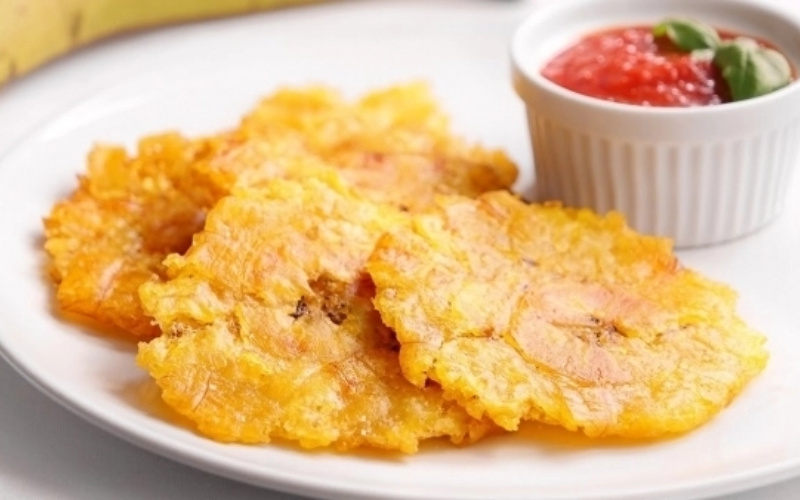
Patacones, twice-fried green plantains, are a staple across Panama, but on the street, they take on a more casual role. Vendors smash thick slices of plantain, fry them until crisp, and serve them plain or topped with shredded meat, chicken, or fresh ceviche. In street settings, patacones are less polished and more rustic, sometimes slightly irregular in shape, which is part of their charm.
Where to try them: Concolón (4.9★). Also covered in our Traditional Panamanian Dishes guide

Carimañolas
Carimañolas are one of the clearest examples of Panama’s Afro-Caribbean influence. Made from mashed yuca instead of corn, they’re denser and more filling than empanadas. The filling is usually seasoned ground beef or cheese, though some vendors add olives or spices unique to their region. Carimañolas are especially common at breakfast, when street stalls open early and sell them hot, wrapped in paper.
Where to try them: La Tapa del Coco (4.9★, 1,046 reviews). You can also learn to make them yourself in our Panamanian Drinks and Appetizers Workshop
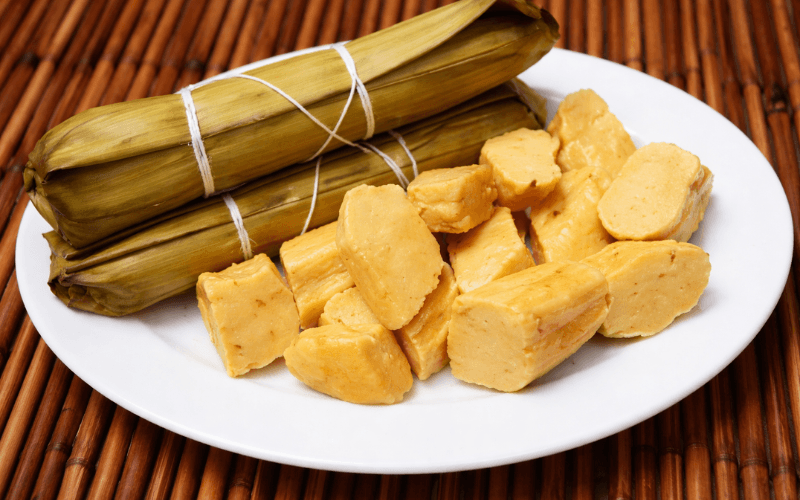
Bollos
Bollos are one of the most overlooked yet traditional street foods in Panama. Made from ground corn or yuca, wrapped in leaves, and boiled, they resemble a dense dumpling. They’re usually sold alongside fried foods or grilled meats and eaten plain or with a bit of cheese. Bollos are especially common outside Panama City, in more residential or rural areas, where traditional foodways remain strong.
Where to try them: Fonda el Motete, a real buffet-style spot founded by former Peace Corps volunteers
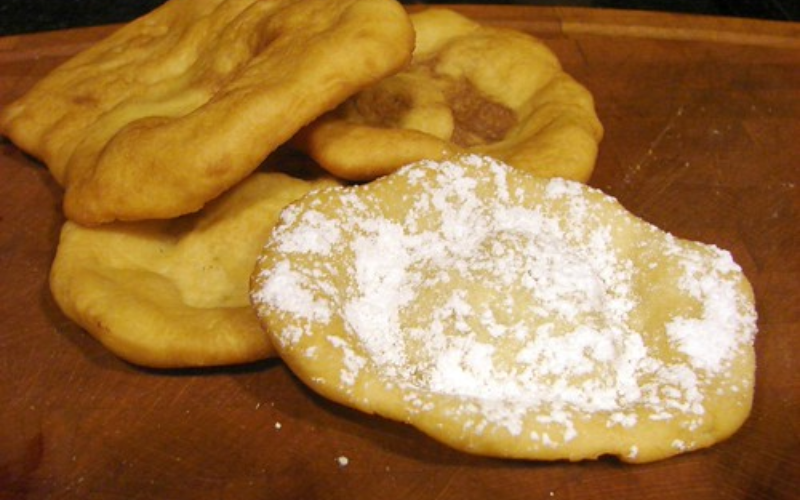
Hojaldras
Hojaldras are one of Panama’s most traditional breakfast foods and are commonly found at street stalls, local fondas, and markets early in the morning. Made from a simple dough that’s fried until puffed and golden, they’re crisp on the outside and soft on the inside. They are usually eaten hot and paired with white cheese, eggs, or meat, making them a filling start to the day for people heading to work or school.
Also featured in our Breakfast in Panama guide and our Traditional Panamanian Dishes guide

Ceviche
In Panama, ceviche isn’t reserved for restaurants. Street vendors, especially near fish markets, sell it chilled in plastic cups, meant to be eaten with a fork or spoon. Panamanian ceviche is typically simple: fresh fish or shrimp, lime juice, onion, and cilantro. It’s refreshing, acidic, and eaten as a snack rather than a full meal. Locals often pair it with crackers or patacones bought from a nearby stall.
Where to try it: La Pulpería (4.9★), known for its ceviche. Learn to make your own in our Panamanian Drinks and Appetizers Workshop

Raspao
Raspao — shaved ice piled into a cup and drenched in fruit syrup, usually with a drizzle of condensed milk — is as ordinary and beloved in Panama as a hamburger is in the US. Street vendors hand-shave ice from large blocks, and you’ll find them clustered around parks, schools, and Casco Viejo’s boardwalk on hot afternoons. Common flavors include cherry, grape, and maracuyá (passion fruit).
Best bought from a street vendor, not a fixed restaurant — it’s one of the small, everyday moments our Panama City food tours point out along the way

Chicheme
Chicheme is a creamy corn-and-milk drink that blurs the line between a beverage and a dessert, deeply tied to Panamanian childhood and family life. The best-known regional version comes from La Chorrera, though variations exist across the country, some using coconut milk instead of evaporated milk.
Where to try it: Artisana, El Cangrejo (4.9★). Also featured in our Panamanian Drinks guide
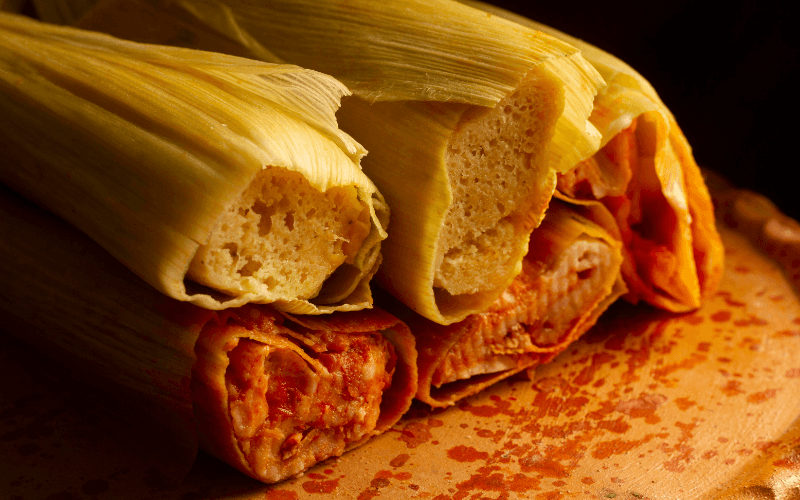
Tamales
Panama’s tamale is wrapped in plantain leaves rather than corn husks, which gives the seasoned corn dough a softer, moister texture once steamed. Filled with chicken, pork, or beef and colored with achiote, tamales are strongly tied to Christmas and Panama’s November Independence Day celebrations, when families make large batches together.
Covered in more depth, including the full recipe, in our Traditional Panamanian Dishes guide
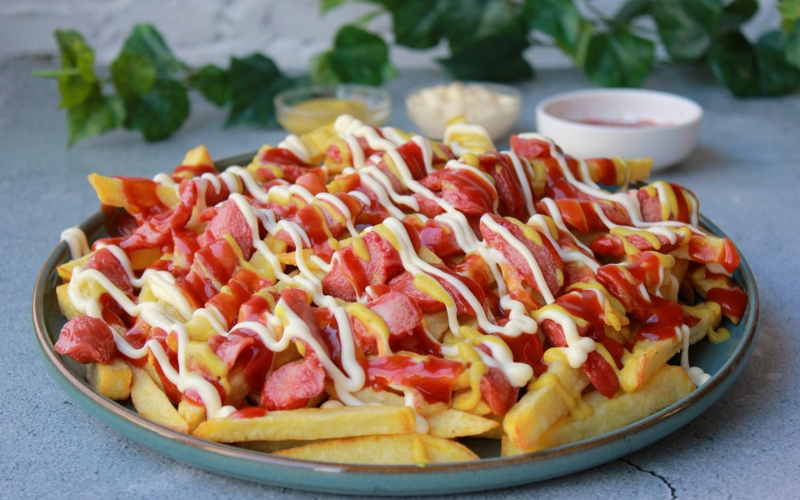
Salchipapas
Salchipapas — fried potato sticks topped with sliced hot dog or sausage, then drizzled with ketchup, mayo, and mustard — are a late-night and after-school staple across Panama, sold from carts and small stands rather than sit-down restaurants. It’s simple, cheap, and filling, closer to a snack than a meal, but genuinely part of everyday street eating.
Like raspao, this is best found from a street cart rather than a fixed restaurant — keep an eye out near schools and busy corners in the evening
Cook With Us
Reading about Panamanian street food is one thing; experiencing it alongside locals is another. Our Panama City food tours take you beyond menus and tourist shortcuts, introducing you to the places, flavors, and routines that shape everyday eating in Panama.
Book your Panama food tour and bring the vibrant flavors of the streets right to your plate.