Breakfast in Panama: 7 Essential Spots
From traditional Panamanian dishes to stylish brunch cafés, these breakfast spots are the perfect way to kick off your day…
Peru’s bread culture is one of its most quietly cherished culinary traditions, shaped by centuries of regional techniques, local ingredients, and the rhythms of daily life. Step into a neighborhood bakery early in the morning and you’ll find shelves lined with warm rolls that pair perfectly with the simple, comforting breakfasts Peruvians love. In bustling markets, vendors sell fresh breads alongside cheeses and street snacks, showing how deeply these loaves are woven into the country’s everyday eating habits.
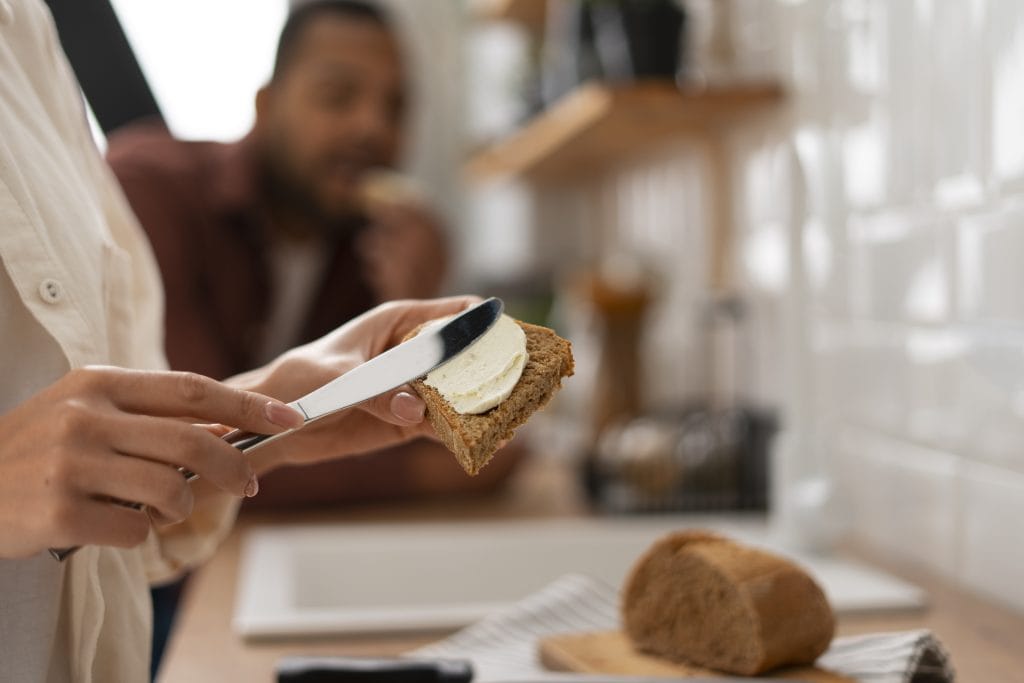
What makes Peru’s bread culture so fascinating isn’t just the variety, but the way it connects home kitchens, community gatherings, and the flavors found throughout the country. Understanding Peru through its breads offers a glimpse into the heart of its culinary identity: humble, resourceful, and full of stories baked into every loaf.
This sweet, round bread from Cusco is flavored with anise and covered in a light dusting of flour. Traditionally baked in wood-fired ovens, pan chuta has a slightly chewy texture and a rich aroma that fills the streets of towns like Oropesa, often called the “bread capital” of Peru.
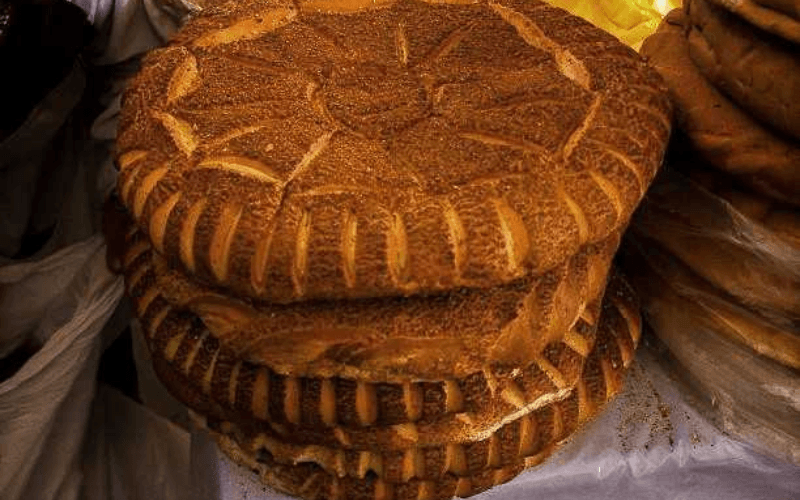
As its name suggests, pan de anís is known for its aromatic flavor, thanks to anise seeds kneaded into the dough. It’s slightly sweet and typically enjoyed with coffee or hot chocolate, especially during festive occasions or as a mid-morning snack.

Also known as pan francés, marraqueta is a crunchy, airy bread that’s popular in many parts of Peru, particularly in Lima. Its crispy crust and soft interior make it perfect for sandwiches or served simply with butter and jam for breakfast.

A specialty from Arequipa, pan de tres puntas is a triangular bread known for its crunchy edges and light, airy crumb. It’s often eaten with soups or used to soak up sauces in hearty dishes.

Common in the Andes, pan serrano is a rustic, dense bread made from a blend of white and whole grain flours. It’s designed to last for days and is especially popular in remote mountain communities, where it’s often served with cheese or avocado.

Peruvian tradition stretches from coastal towns to Andean villages and Amazonian communities, where bread reflects geography, climate, and history. Early mornings often begin at neighborhood bakeries, with the smell of fresh dough drawing people in before work or school. Some breads are reserved for religious celebrations, others for everyday breakfasts with butter or cheese.
Recipes are rarely written down, passed instead through observation, repetition, and memory. Ingredients shift slightly from region to region, but the purpose remains the same: nourishment and connection. In Peru, bread is rarely eaten alone; it accompanies conversations, family rituals, and quiet moments of rest. By paying attention to these loaves, shapes, and textures, you start to see how food becomes language, expressing resilience, creativity, and a deep sense of belonging that spans generations. It is comfort, continuity, and culture shared daily without ceremony yet filled with meaning for many Peruvians.
For travelers eager to go beyond simply tasting Peruvian bread and truly connect with its cultural roots, our food tours in Peru offer an unforgettable culinary experience. In the cooking class, you will step into the home kitchen of a local chef and prepare traditional Peruvian dishes using regional ingredients and time-honored techniques. You will not just learn recipes but also explore the stories and customs behind every bite.
This is more than a class. It is a chance to cook, learn, and share a meal in the most authentic way possible. Ready to taste Peru from the inside out? Book your spot today and make this the most flavorful memory of your trip.