Panamanian sweets are deeply tied to tradition, family kitchens, and street vendors rather than bakeries or dessert shops. They are simple, nostalgic, and often handmade, using ingredients that are easy to find locally like coconut, sugar, fruit, milk, and corn.
Unlike overly decorated desserts, these candies and sweets focus on texture and natural flavor. Coconut plays a central role, fruits are often cooked slowly into preserves, and many recipes are associated with holidays, beaches, or afternoon treats rather than formal meals.
But there’s another side of Panama worth savoring: the desserts and confections passed down through generations.
14 Unique Panamanian Sweets
Cocada
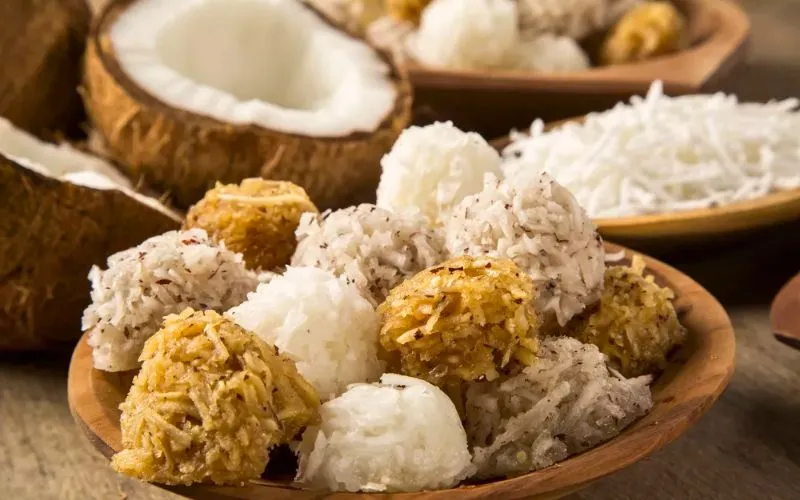
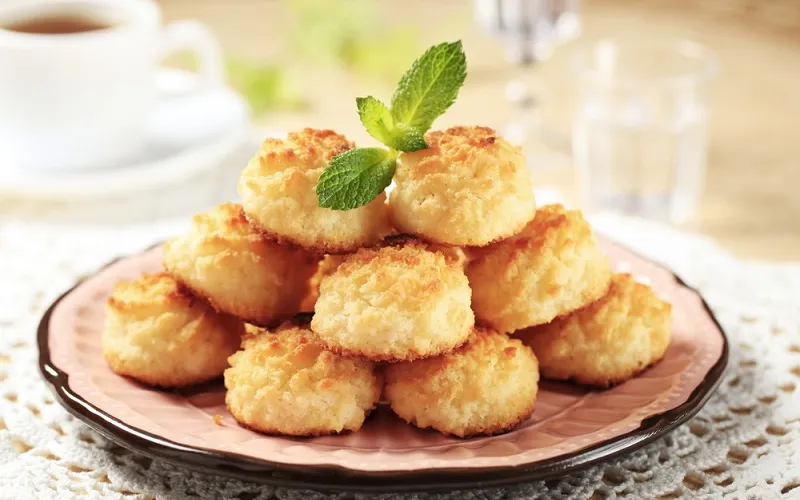
Cocada is the epitome of coconut indulgence in Panama. This traditional treat is made from shredded coconut mixed with sugar, milk, and sometimes a hint of vanilla or cinnamon. The mixture is cooked until it reaches a sticky, chewy consistency and is formed into bite-sized balls or bars. Cocada can be found at street markets and bakeries throughout Panama, each offering a slight twist on this quintessential coconut delight.
Huevitos de Leche
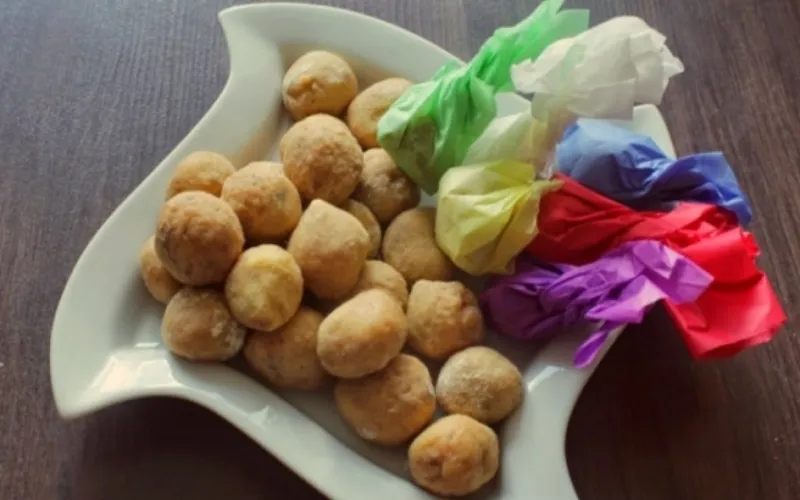
Huevitos de Leche, or “little milk eggs,” are a beloved Panamanian confection that melts in your mouth. Made from a simple mixture of milk and sugar cooked until a thick, caramel-like paste forms, they’re rolled into small balls and often coated with powdered sugar, taking on the signature egg-like shape that gives them their name. They’re commonly found in local markets and are a popular gift to bring back from Panama.
Manjar Blanco
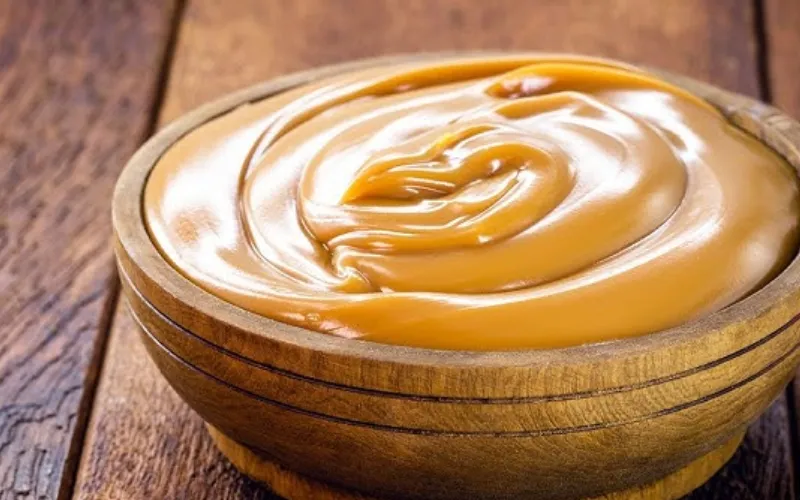
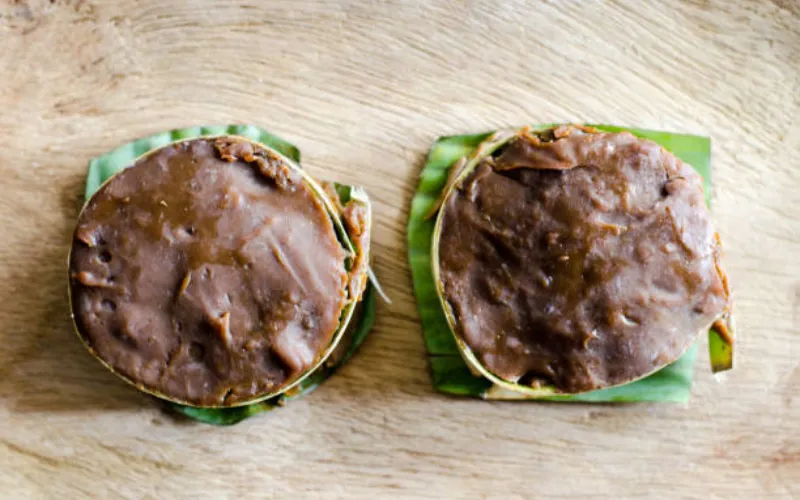
Manjar Blanco is Panama’s answer to dulce de leche, a creamy caramel spread made from sweetened condensed milk. It’s a versatile ingredient in various desserts, from cakes and pastries to simple bread spreads. The rich, sweet flavor makes it a favorite among Panamanians, who often incorporate it into daily snacks. You can find jars at local grocery stores, or try it fresh in one of the many desserts at bakeries nationwide.
Bocado de la Reina
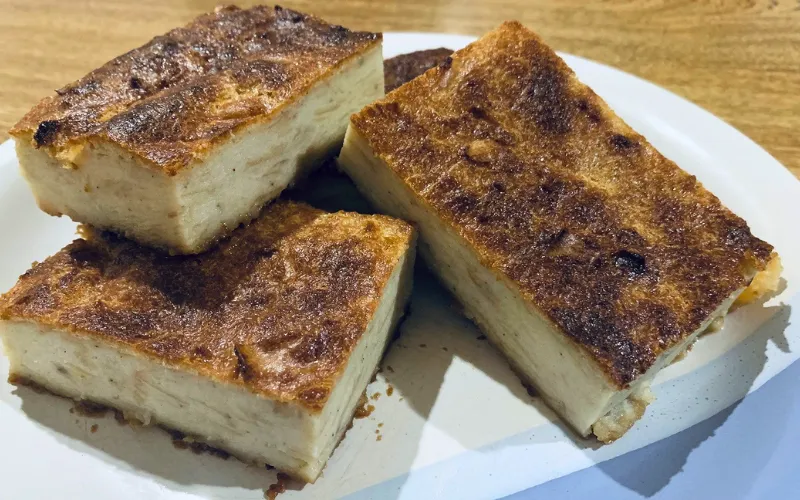
Bocado de la Reina, or “Bite of the Queen,” is a moist, dense cake made primarily from leftover bread, milk, eggs, and sugar. It’s similar to bread pudding but with a Panamanian flair, often flavored with raisins, cinnamon, and a splash of rum. It’s a popular way to avoid food waste while creating something genuinely delicious, and you’ll find it in both homes and bakeries, often served with whipped cream or a dusting of powdered sugar.
Bienmesabe
Bienmesabe, which means “it tastes good to me,” is a traditional coconut cream dessert that lives up to its name. It’s a rich, creamy pudding made from coconut milk, sugar, egg yolks, and a hint of cinnamon. The dessert originates in Spain but has been embraced and adapted by Panamanians using their abundant local coconut. It’s often served chilled, making it a perfect treat on a warm Panamanian day.
Cocaditas
Cocaditas are mini versions of the classic Cocada, offering the same coconut flavor in a smaller, more portable form. Often found at local markets sold by the dozen in small bags, they’re easy to share with friends or family, and some variations top them with a cherry or mix in other tropical fruits like pineapple or guava.
Bocadillo de Guayaba
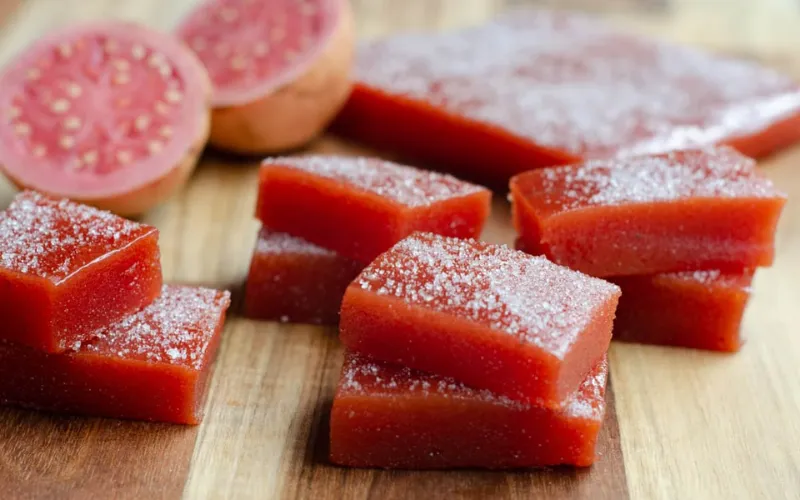
Bocadillo de Guayaba is a sweet treat made from guava paste, often paired with cheese for a balance of sweet and savory. This dessert is shared throughout Latin America, but it’s especially popular in Panama as a snack or after a hearty meal. The paste is thick and chewy, offering a concentrated burst of tropical flavor in every bite, and you’ll find it in local markets, often wrapped in banana leaves or sold in small bars.
Flan de Coco
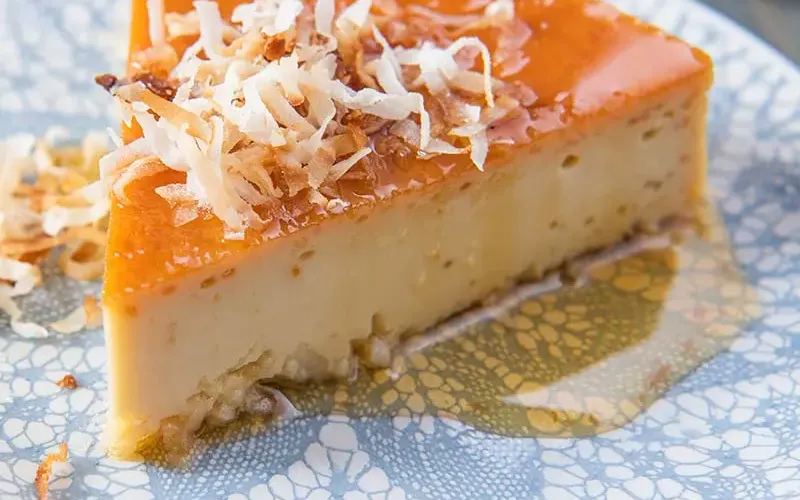
Flan de Coco is a creamy, coconut-infused version of the classic flan, combining coconut milk with eggs, sugar, and vanilla, then baked in a caramel-lined mold. The result is a smooth, velvety flan with a tropical twist, balancing rich caramel with light coconut flavor. It’s a favorite in Panamanian households and restaurants, often served with an extra drizzle of caramel sauce.
Suspiros
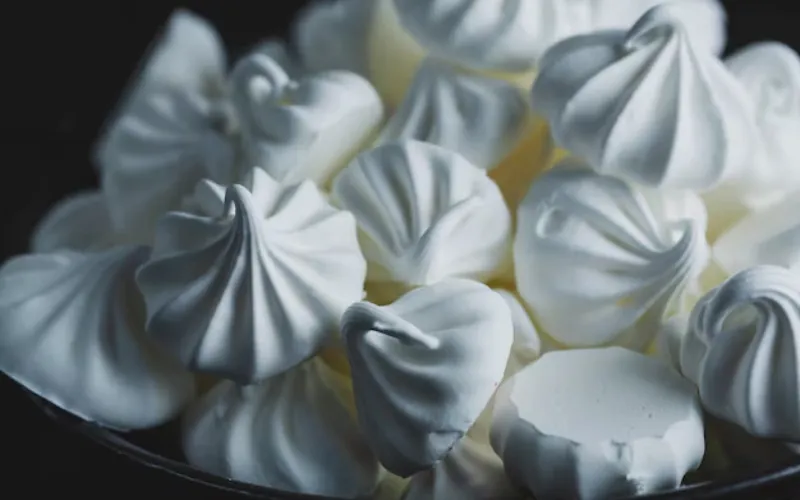
Suspiros, meaning “sighs,” are light, airy meringue cookies made from whipped egg whites and sugar, baked until crisp on the outside but still soft and slightly chewy within. Often flavored with a hint of lemon or vanilla, these meringue kisses are sold at bakeries and street vendors, offering a delicate, easy-to-enjoy treat on the go.
Mazamorra
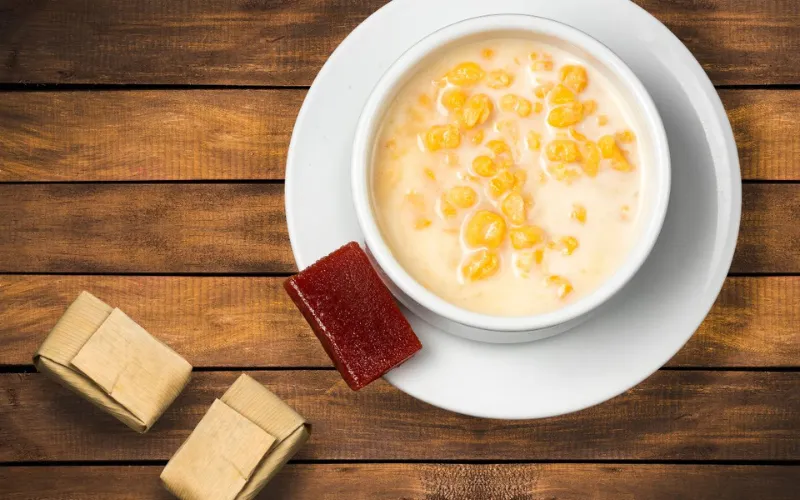
Mazamorra is a traditional corn-based dessert, hearty and sweet, offering a comforting taste of nostalgia. It’s made by simmering corn with milk, sugar, and spices until it thickens into a porridge-like consistency, sometimes flavored with vanilla or coconut for extra richness. It’s enjoyed as a comforting dessert or even a light breakfast, reflecting Panama’s agricultural roots.
Turrón de Ajonjolí
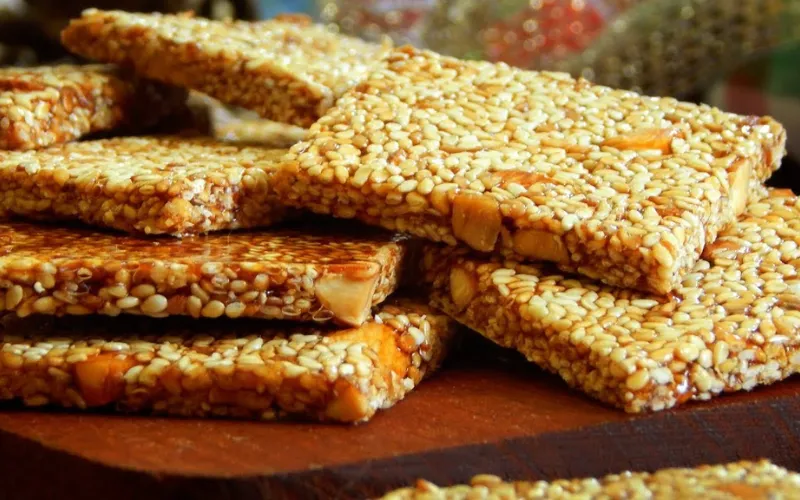
Turrón de Ajonjolí is a sesame seed candy with a nutty flavor and crunchy texture, made by mixing toasted sesame seeds with caramelized sugar or honey and pressing the mixture into bars or bite-sized pieces. Both sweet and slightly savory, it stands out among Panama’s sweets and is commonly found in markets, especially popular during holidays and special occasions.
Pesada de Nance
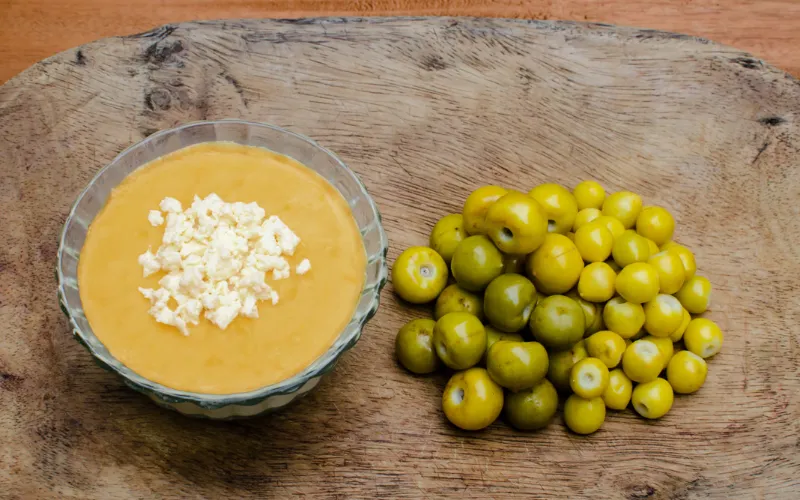
Pesada de Nance is a traditional dessert made from the nance fruit, a small, yellow fruit with a distinctive flavor that’s both sweet and tart. It’s prepared by cooking the fruit with sugar and sometimes a touch of cinnamon until it forms a thick, jam-like consistency, often served with fresh cheese or cream to balance the tartness with something rich and creamy.
Raspao
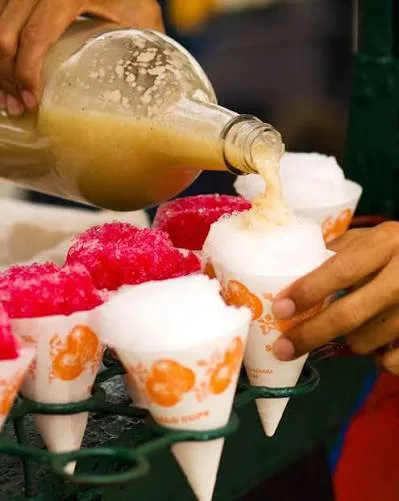
Raspao — shaved ice piled into a cup and drenched in fruit syrup, usually with a drizzle of condensed milk — is as ordinary and beloved in Panama as a hamburger is in the US. Street vendors hand-shave ice from large blocks, and you’ll find them clustered around parks, schools, and Casco Viejo’s boardwalk on hot afternoons. Common flavors include cherry, grape, and maracuyá (passion fruit). Also featured in our Panamanian Drinks guide.
Chicheme
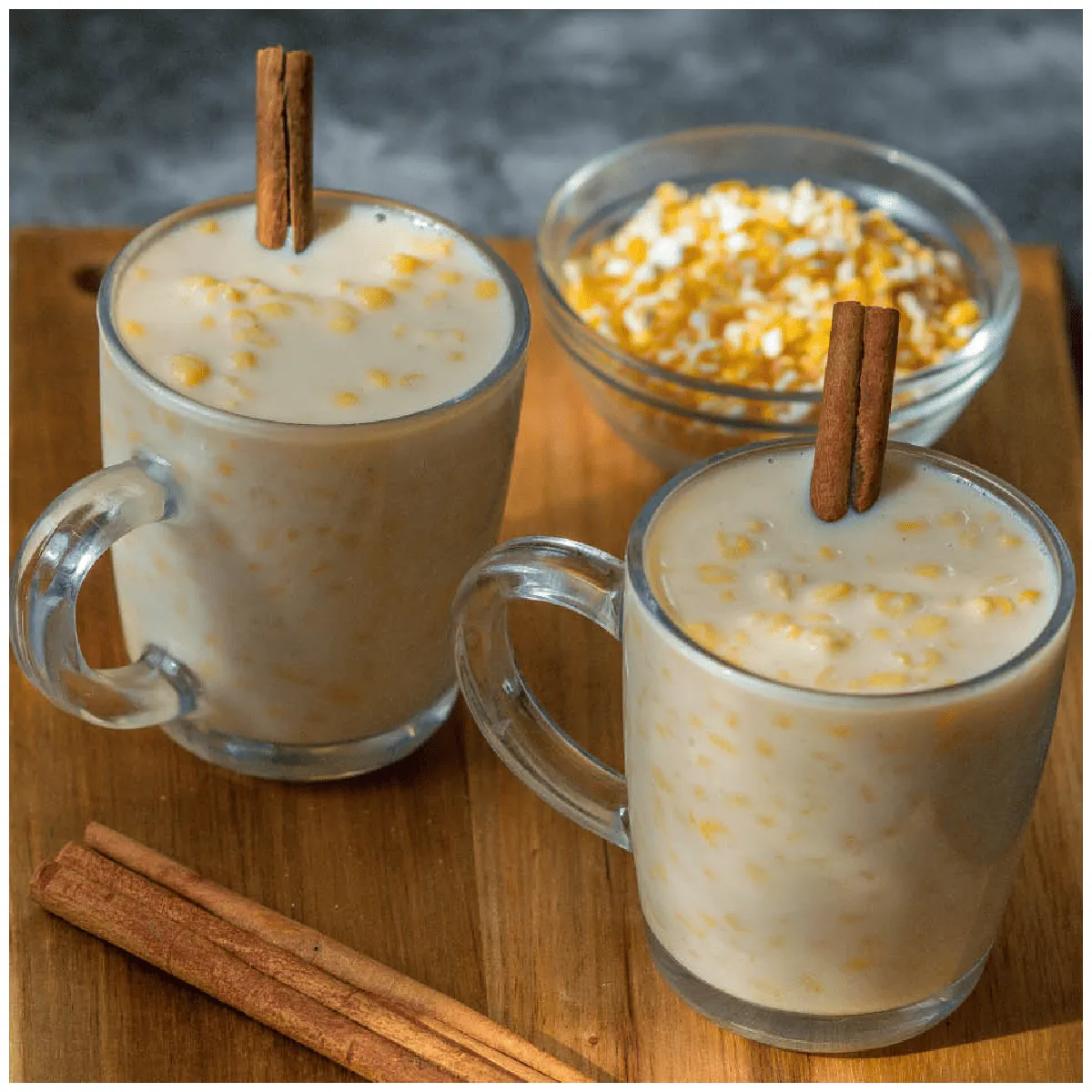
Chicheme is a traditional Panamanian drink that blurs the line between beverage and dessert — thick, creamy, and made from corn, milk, sugar, and spices like cinnamon and vanilla. It’s typically served cold, making it a refreshing treat for hot days, and it’s deeply rooted in Panamanian culture, often enjoyed during festivals and celebrations. Also featured in our Panamanian Drinks guide.
Cook With Us
Panama’s candies and sweets reflect the country’s rich cultural tapestry, blending Indigenous ingredients with influences from around the world. So next time you find yourself in Panama, try these unique sweets and discover the delicious diversity of Panamanian cuisine.
For an even deeper taste of Panama, join our Panama food tours, where you’ll explore markets, kitchens, and desserts alongside locals who bring these traditions to life.
Book today and experience the sweetest side of Panama.