Breakfast in Panama: 7 Essential Spots
From traditional Panamanian dishes to stylish brunch cafés, these breakfast spots are the perfect way to kick off your day…
Food in Quito is woven into the rhythm of daily life, shaped by Andean ingredients and recipes passed down through generations. From steaming bowls of locro to plates of hornado carved right in front of you, the city offers countless places where Ecuadorian flavors are still prepared the old-fashioned way.
Markets buzz with vendors serving dishes as comforting as they are authentic, while small family-run eateries keep classic preparations alive with pride, and no traditional meal feels complete without a glass of freshly blended fruit juice, made with bright Andean fruits that give even the simplest dishes a refreshing lift. If you want to taste Quito beyond the guidebooks, these are the places where tradition is served with every bite.
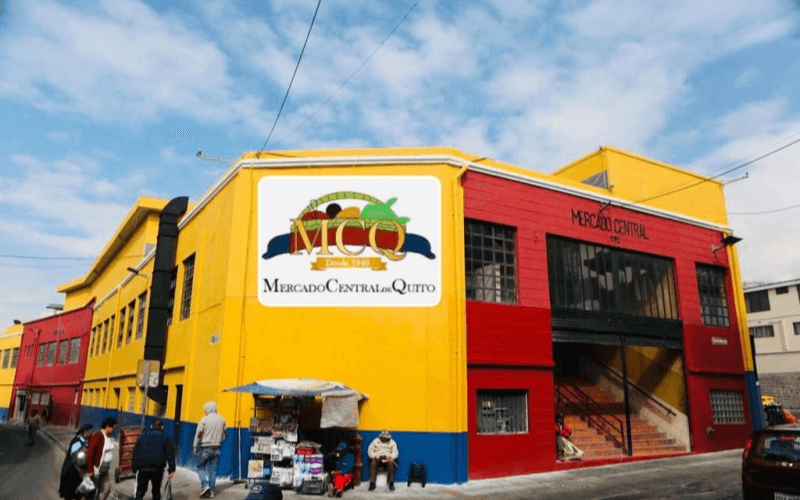
To taste food in Quito like a local, head first to the markets. Mercado Central, located in the historic center, is a favorite starting point. Here, vendors serve steaming bowls of encebollado, crispy fritada, and the city’s beloved hornado: slow-roasted pork that’s tender inside and perfectly crisp on the outside. Pair it with mote (hominy corn) and llapingachos (cheesy potato patties), and you’ll understand why markets are considered the soul of Ecuadorian food culture.
Another must-visit is Santa Clara Market, a lively spot in La Mariscal. This is where locals come for fresh juices, hearty soups, and humitas (steamed corn cakes wrapped in husks). Eating here feels less like being in a restaurant and more like being welcomed into someone’s kitchen.

When the sun sets, Quito’s streets transform into vibrant food hubs. In neighborhoods like La Floresta, you’ll find “parques de las tripas,” small squares where vendors serve guatita (a peanut-based tripe stew), empanadas de viento (fried cheese pastries dusted with sugar), and grilled skewers known as pinchos. The atmosphere is casual, friendly, and full of life—perfect for anyone who wants to experience food in Quito beyond four walls.
Some foods in Quito are tied to specific times of the year but can sometimes be found year-round. Fanesca, a creamy soup of grains and salted fish, is traditionally eaten during Easter, while colada morada, a spiced purple drink made with fruit and purple corn flour, is served in November to honor the Day of the Dead. Tasting these specialties connects you not just to the food, but to Ecuador’s cultural calendar.
And then there’s dessert: don’t miss espumilla, a colorful meringue-like treat sold by street vendors in cones, or helado de paila, artisanal ice cream prepared in wide copper pans using local fruits like blackberry or naranjilla. These sweets capture Ecuador’s playful, creative side.
The beauty of foods in Quito is that you don’t need to spend much to eat well. Markets and street vendors serve generous plates at prices that make it easy to try everything. If you want a slightly more formal setting without losing authenticity, look for small family-run restaurants offering “menú del día”: a set lunch with soup, main dish, juice, and sometimes dessert. It’s simple, filling, and always affordable.
Exploring Quito’s traditional dishes is only the beginning; the true magic comes when you dive into Ecuador’s flavors with Cook in Ecuador. From market-fresh ingredients to hands-on cooking moments, it’s a chance to taste the country the way locals do, vibrant, comforting, and full of stories. Whether you’re sipping a just-blended juice or stirring a pot of something deeply Andean, every step connects you more closely to Ecuador’s culinary heart. Join us, cook with us, and discover why the best way to experience Ecuador is one delicious bite at a time.