Breakfast in Panama: 7 Essential Spots
From traditional Panamanian dishes to stylish brunch cafés, these breakfast spots are the perfect way to kick off your day…
Salvador, the capital of Bahia, is one of Brazil’s culinary treasures. Strongly influenced by African, Indigenous, and Portuguese traditions, its cuisine is rich, colorful, and deeply tied to the city’s history. Walking through Salvador’s streets, you’ll quickly notice the aromas of dendê oil (palm oil), coconut milk, and fresh seafood; all key ingredients in the city’s most iconic dishes.
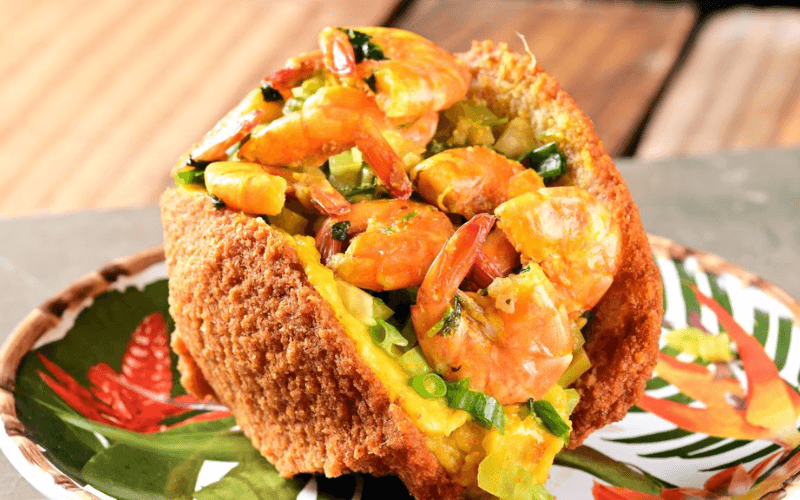
Perhaps the most famous street food in Salvador, acarajé is a black-eyed pea fritter fried in dendê oil and split open to be filled with vatapá (a creamy paste of bread, shrimp, peanuts, and coconut milk), caruru (okra stew), and dried shrimp. Sold mainly by the baianas de acarajé dressed in traditional white clothing, this dish is both food and cultural heritage.
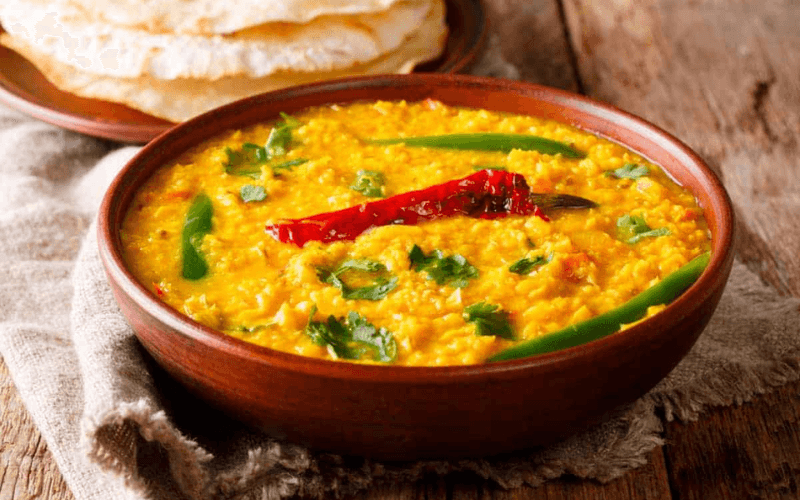
This seafood stew is a symbol of Bahia’s cuisine. Made with fish or shrimp simmered in coconut milk, dendê oil, peppers, onions, tomatoes, and cilantro, moqueca is aromatic, colorful, and deeply satisfying. It is usually served with rice, pirão (a thick cassava flour paste), and farofa.

A creamy, spicy paste made with bread, shrimp, coconut milk, peanuts, and dendê oil. Vatapá is often served as a side dish or as a filling for acarajé, showcasing the rich flavors of Bahian cooking.
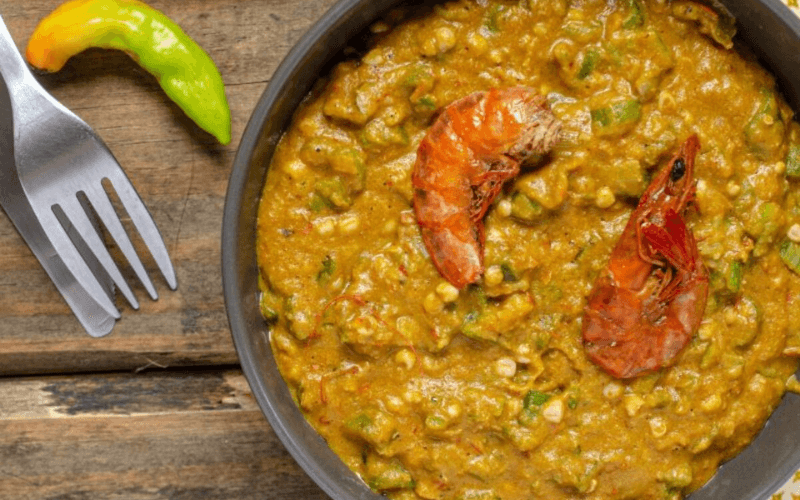
This traditional dish is made from okra cooked with dendê oil, shrimp, and toasted nuts. Caruru is usually eaten with rice, farofa, or as an accompaniment to moqueca and other seafood dishes.
A comforting shrimp dish cooked in a creamy sauce of cassava, coconut milk, and dendê oil. Bobó de camarão is flavorful and smooth, served with white rice and farofa.
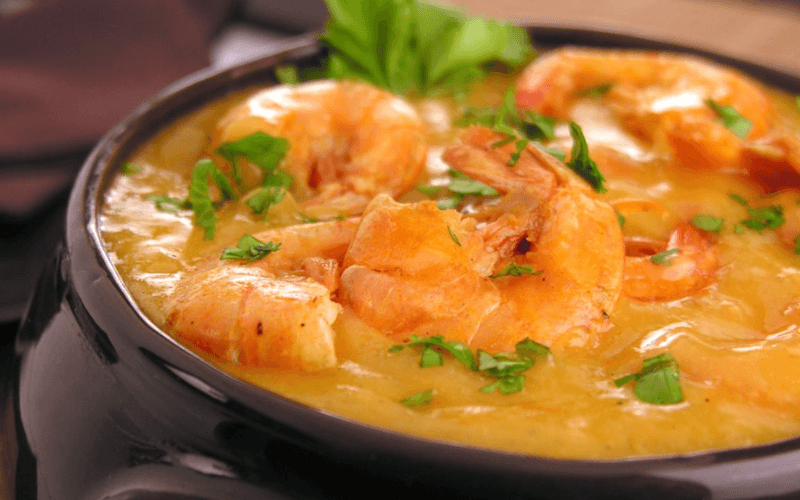
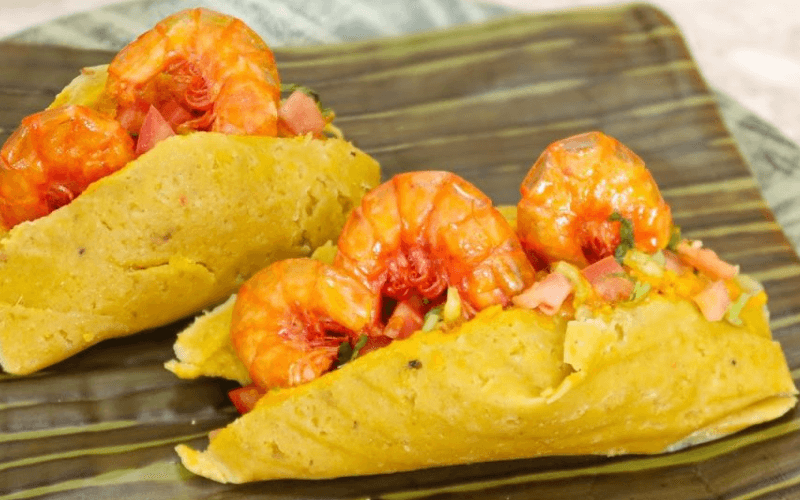
Similar to acarajé but steamed instead of fried, abará is also made from black-eyed peas and filled with vatapá and shrimp. Wrapped in banana leaves, it has a more delicate flavor and texture.
If reading about moqueca, acarajé, or vatapá made you hungry, why not learn how to cook them yourself? At Cook in Salvador, you’ll step into a local chef’s own kitchen and prepare authentic Bahian dishes using the same ingredients and techniques that have been passed down for generations. More than just a class, it’s an opportunity to connect with Salvador’s culture, understand the stories behind its recipes, and take home knowledge you can recreate wherever you are. Book your spot and discover Bahia through its flavors.