Breakfast in Panama: 7 Essential Spots
From traditional Panamanian dishes to stylish brunch cafés, these breakfast spots are the perfect way to kick off your day…
Buenos Aires is a city where food feels inseparable from daily life. Its traditional dishes tell stories of immigration, neighborhood culture, and the routines that begin with early morning pastries and a cup of strong Argentinian coffee. Across the capital, you’ll find plates that reflect both its European heritage and the unmistakable flair of porteño cooking, creating flavors that feel familiar yet uniquely local.
Many of these dishes share roots with the meals enjoyed during a comforting Buenos Aires breakfast, while others carry the bold spirit of an asado, one of the city’s most cherished traditions. You’ll also notice touches of international influence in the way ingredients come together, blending old-world flavors with a distinctly Argentine personality. And no meal here feels complete without something sweet, a reminder of the city’s love for simple, satisfying treats.
Exploring Buenos Aires through its traditional dishes means tasting the rhythms of the capital. Each plate offers a glimpse into how the city eats, gathers, and celebrates its rich cultural identity.
One of the most beloved snacks, empanadas are small pastries stuffed with different fillings. In Buenos Aires, the classic is the beef empanada seasoned with onions, paprika, and sometimes olives or raisins. You’ll find them everywhere, from street stalls to cafes. For some of the best, head to La Cocina, a local favorite in the Palermo neighborhood known for its fresh dough and flavorful fillings.

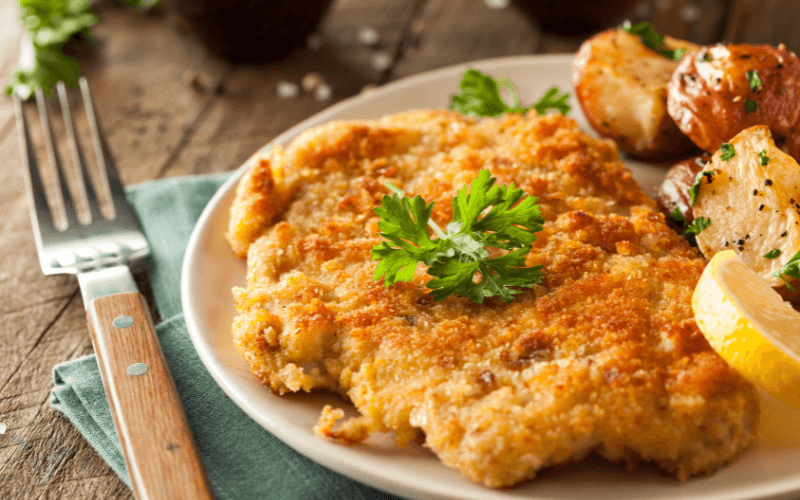
Milanesa is Argentina’s take on the breaded cutlet, thin slices of beef or chicken, breaded and fried until golden. It’s comfort food at its best, served simply with mashed potatoes, a salad, or tucked into a sandwich called milanesa al pan. In the historic San Telmo Market, many stalls serve up hearty milanesas, perfect for a filling lunch after a morning of exploring.
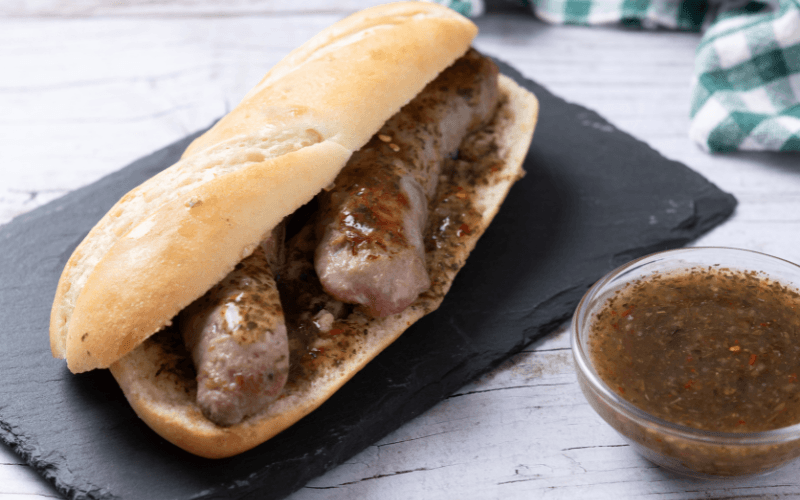
A staple at any Argentine gathering, choripán is grilled chorizo sausage served on a crusty roll, usually with chimichurri sauce. When I was wandering through the markets of Buenos Aires, grabbing a choripán from a street vendor was one of my favorite quick meals. The Feria de Mataderos, a weekend fair celebrating Argentine traditions, is one of the best spots to enjoy an authentic choripán surrounded by music and dancing.
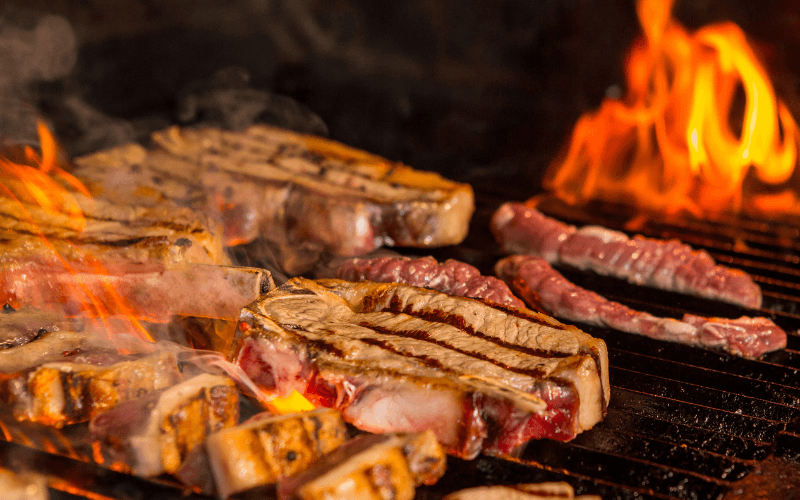
Asado isn’t just food, it’s a social ritual. Large cuts of beef, pork, and sausages are slowly cooked over a wood fire, often accompanied by provoleta (grilled provolone cheese) and fresh salads. For the best asado experience, visit Don Julio in Palermo, widely praised for its perfectly grilled meats and lively atmosphere. Don Julio also offers great advice on how Argentines pair their meats with Malbec wines.
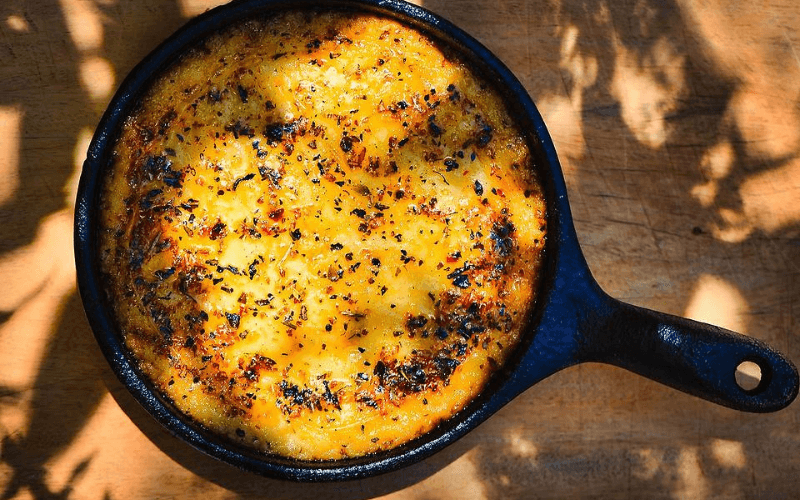
Often served as an appetizer during asados, provoleta is a slice of provolone cheese grilled with oregano and chili flakes. It’s gooey, salty, and best eaten hot with crusty bread. You can try excellent provoleta at La Cabrera, another top parrilla (steakhouse) in Palermo that captures the essence of Argentine grilling.
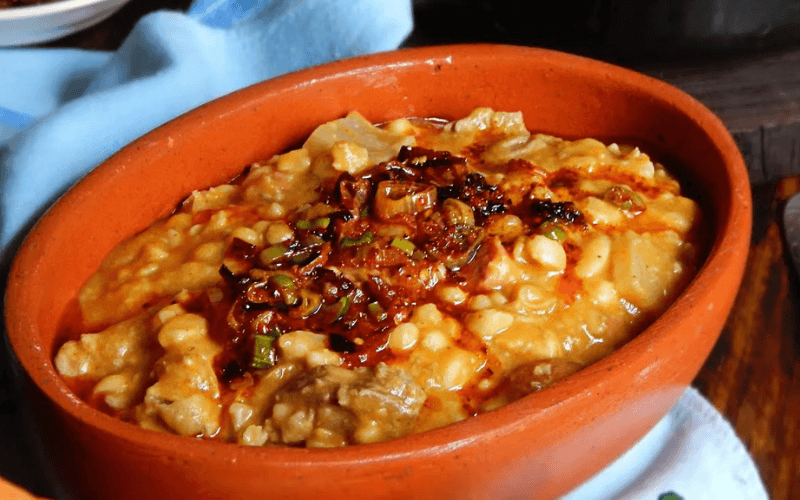
Locro is a thick, hearty stew made with corn, beans, pumpkin, and meat. Traditionally eaten on national holidays like May 25th, it’s the perfect comfort food during chilly Buenos Aires winters. You can find authentic locro in traditional restaurants like El Obrero in La Boca, where the rustic atmosphere matches the hearty dishes.
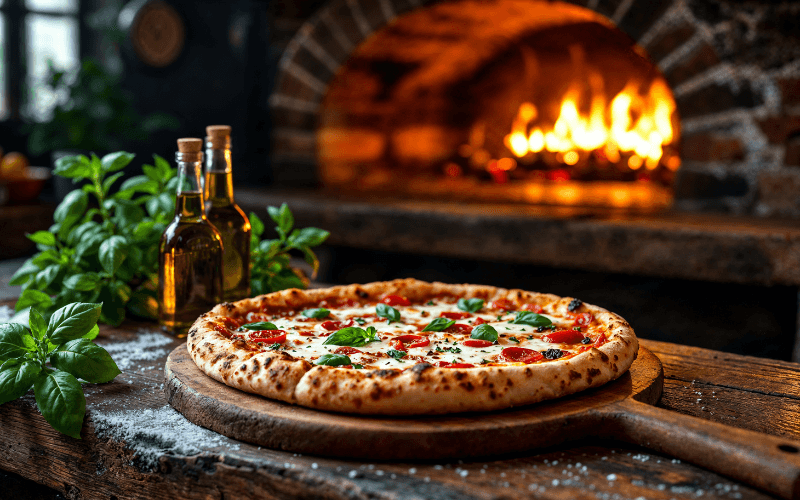
Buenos Aires has a vibrant pizza scene influenced by Italian immigrants. The “stone-baked pizza” here is known for a thin, crispy crust, generous cheese, and a thick layer of tomato sauce. Try Guerrin, an iconic pizzeria on Avenida Corrientes, where locals line up for a slice late into the night.
Sweet, buttery croissants are often enjoyed with coffee for breakfast or an afternoon snack. If you want to start your day like a porteño, visit Confitería Las Violetas for their famous medialunas in a beautifully historic setting.

This caramel-like spread is used in countless Argentine desserts, from cakes to pancakes. A great way to try it is in panqueques con dulce de leche (crepes filled with dulce de leche), available in many cafés, including Café Tortoni, the city’s oldest coffeehouse and a cultural landmark.

Two soft cookies filled with dulce de leche and coated in chocolate or powdered sugar. They are a popular souvenir and treat. Visit Havanna, a well-known local brand, or hunt down artisanal alfajores at the San Telmo Market for unique flavors.

Tasting Argentine dishes is only the beginning. Behind every empanada, stew, or dessert lies a story shaped by generations of family traditions and regional influences that define the country’s rich culinary identity.
Our Buenos Aires food tours invite you to take part in that story through a hands-on cooking experience guided by a local chef. In a warm and welcoming kitchen, you will prepare traditional dishes while learning the techniques and flavors that make Argentine food so memorable.
Bring home the taste of Argentina with Cook in Buenos Aires.